Facade Inspections
NYC Local Law 11/FISP
New York City requires building owners of structures taller than six stories to retain a professional for Local Law 11 facade inspection under the “Façade Inspection Safety Program” (FISP) and file a report with the city in five-year cycles. Furthermore, in February 2020, the DOB announced additional requirements for the 9th Cycle. These requirements include expanded hands-on inspections, investigative probes, and posting of a building’s facade status.
Who is authorized to perform a Local Law 11 inspection?
Local Law 11 facade inspection now requires Qualified Exterior Wall Inspectors (QEWIs) to possess seven years of experience, specifically with buildings over six stories. Additionally, tradespeople can no longer receive delegation to perform the inspection. Furthermore, only registered architects, engineers, and individuals with a bachelor’s degree in architecture or engineering and three years of FISP experience can perform inspection tasks under the direct supervision of the QEWI. Alternatively, those without a degree who have at least five years of FISP experience may also conduct these inspections under direct QEWI supervision.
What does a Local Law 11 inspection entail?
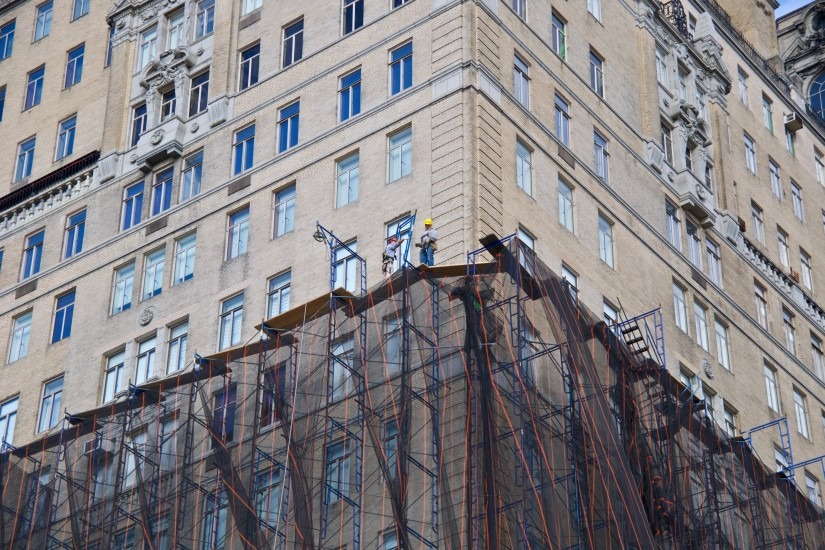
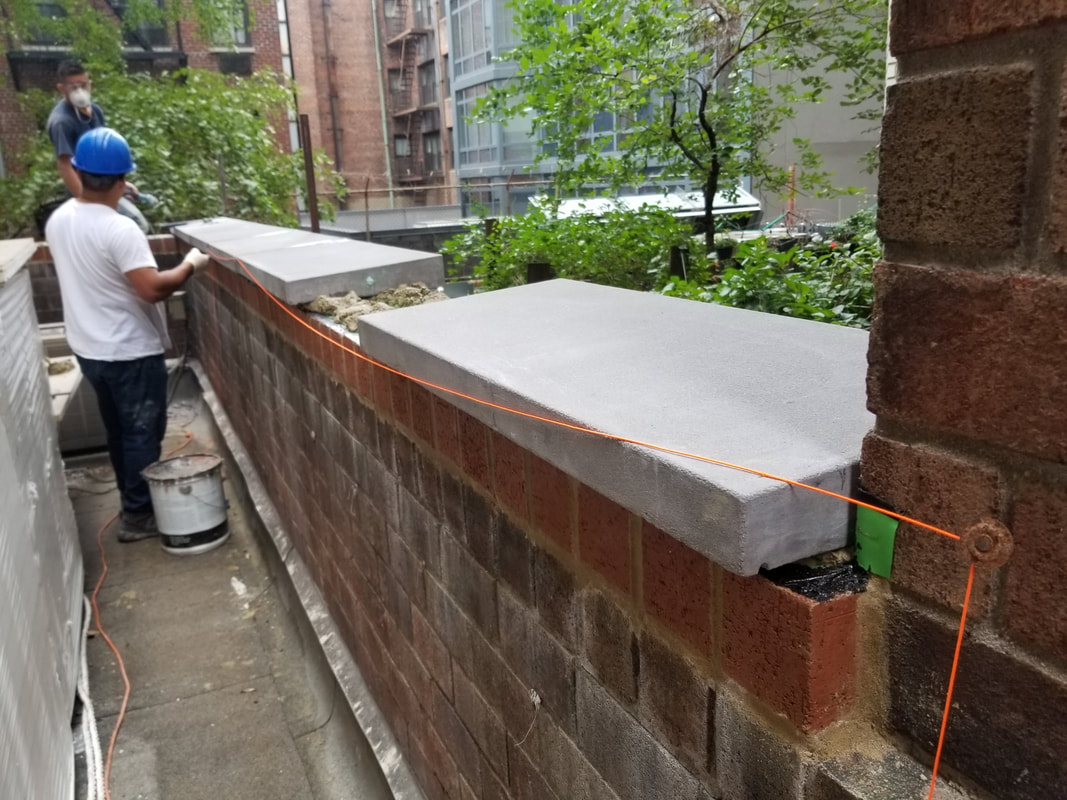
In addition to visual inspection, inspectors must perform close-up inspection from scaffolding at least every 60 feet along the length of every exterior wall that fronts a public right of way. This includes streets, sidewalks, easements, plazas and all other public places. Furthermore, to ensure this takes place, QEWIs must submit images of themselves and their staff performing the inspection.
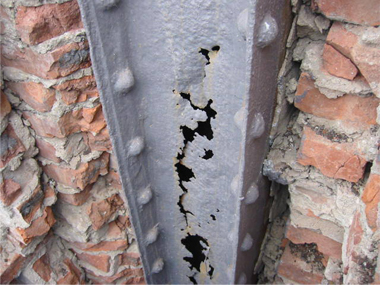
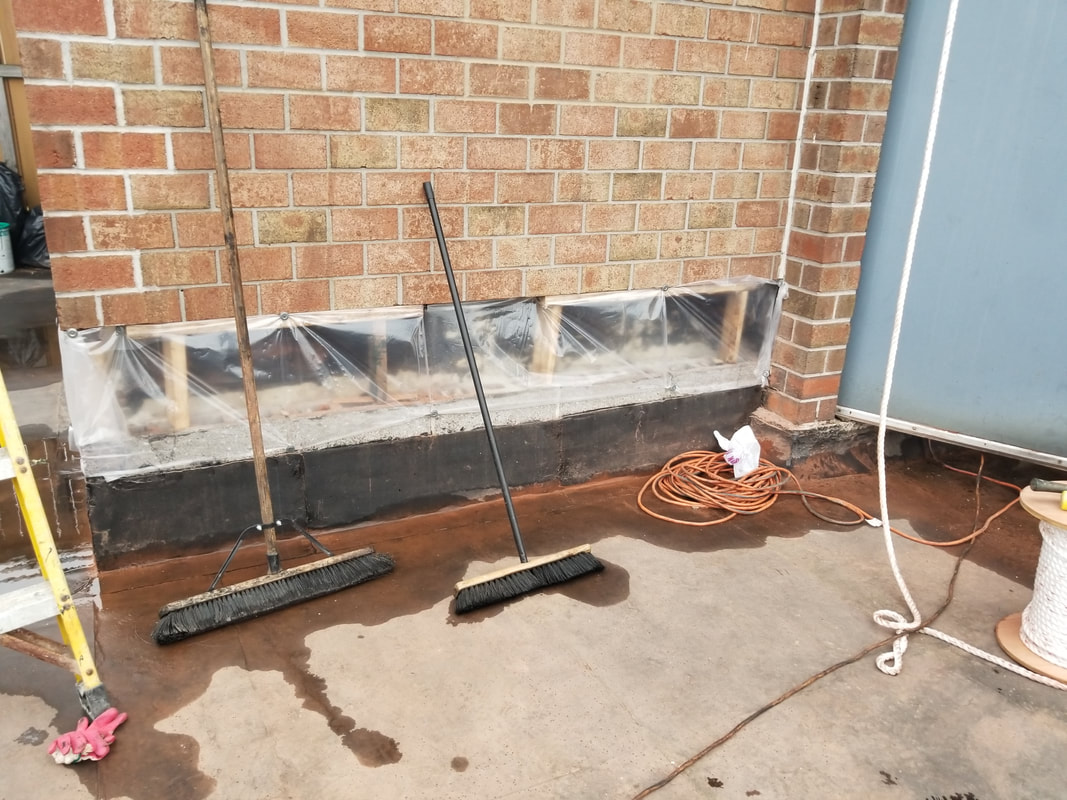
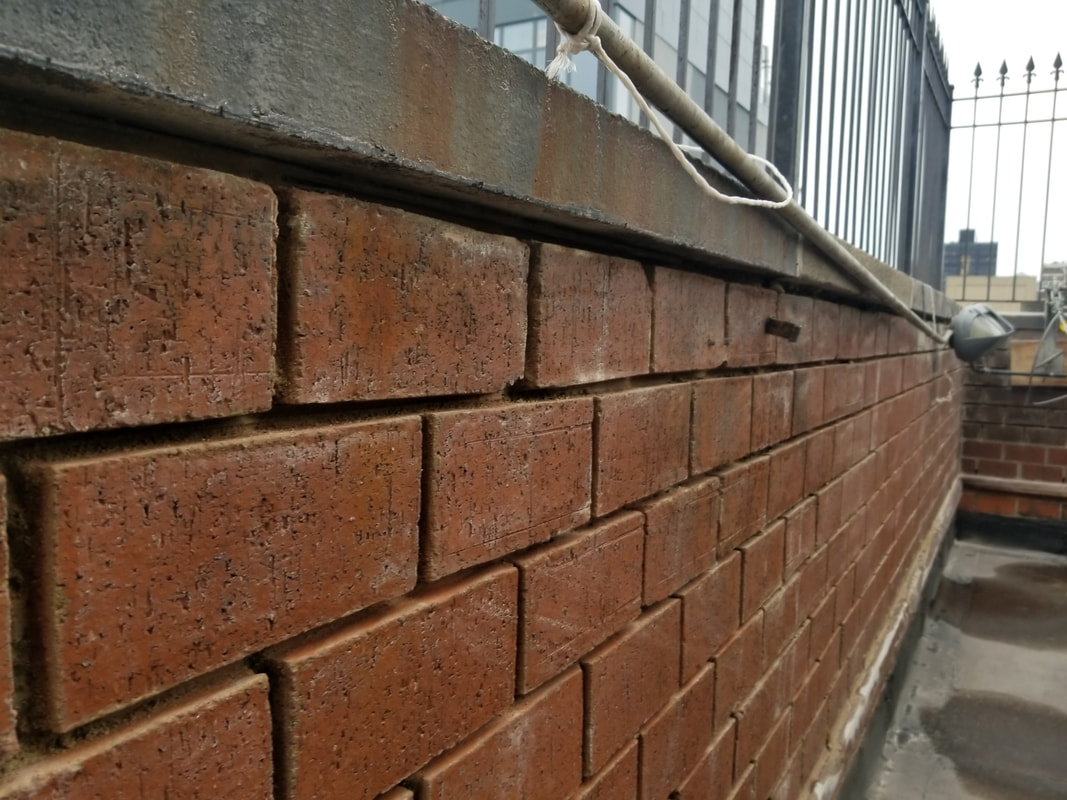
Inspectors must perform probes on all cavity wall construction in this inspection cycle and in every odd-numbered cycle going forward. Additionally, they must complete a probe near all required close-up inspection points. Furthermore, inspectors must now document all significant conditions in detail with photographs that are mapped to building plans.
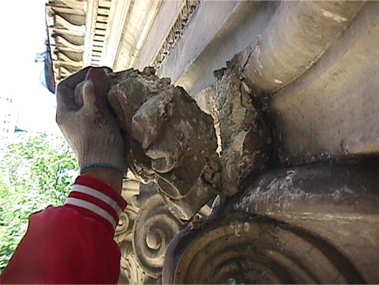
Building owners are exempt from this requirement only in specific situations. First, they can qualify if their buildings underwent cavity wall rehabilitation addressing wall ties within the past ten years. Second, exemption applies to new buildings less than ten years old where owners can prove wall tie installation. Finally, buildings qualify if the QEWI proposes an alternative method of evaluating wall ties and the DOB accepts it.
Sidewalk protection must be erected, and all relevant permits obtained. “It’s also important to note that some historic buildings may need additional permitting from the Landmarks Preservation Commission