
Retaining walls are built to hold back soil, control drainage, and protect landscapes from erosion. But once a wall starts leaning, cracking, or bulging, the damage usually gets worse much faster than homeowners expect.
In many retaining wall repair projects, the visible crack is not the real issue. The actual problem is often trapped water pressure building behind the wall for years. By the time movement becomes visible, the drainage system may already be failing underneath the surface.
Whether you have a concrete retaining wall, stone landscape wall, or older masonry structure, identifying problems early can help prevent structural collapse, water damage, and expensive reconstruction costs. In this guide, we’ll cover the most common warning signs, repair methods, repair costs, drainage issues, and professional solutions homeowners should know in 2026.
Signs Your Retaining Wall Needs Repair
Most retaining walls show warning signs before serious failure happens. The key is knowing what to look for early.
Leaning or Tilting Walls
A healthy retaining wall should remain straight and stable. If the wall begins leaning outward even slightly, excessive pressure is likely building behind the structure.
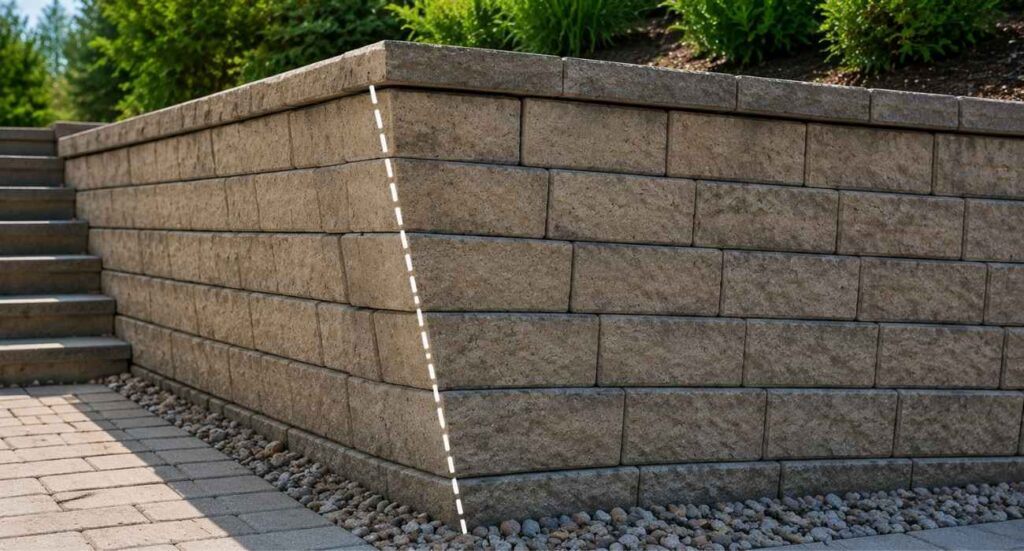
This usually happens because of:
- poor drainage
- saturated soil
- weak footing systems
- shifting ground
- hydrostatic pressure
In NYC, freeze-thaw cycles and heavy rainfall often speed up wall movement, especially in older masonry retaining systems.
Even a small lean should be inspected before larger structural shifting occurs.
Horizontal Cracks
Horizontal cracks are one of the biggest warning signs of structural pressure.
We often see homeowners patch surface cracks without addressing the real issue behind the wall. Unfortunately, cosmetic repairs alone rarely solve the problem if drainage pressure continues building underneath.
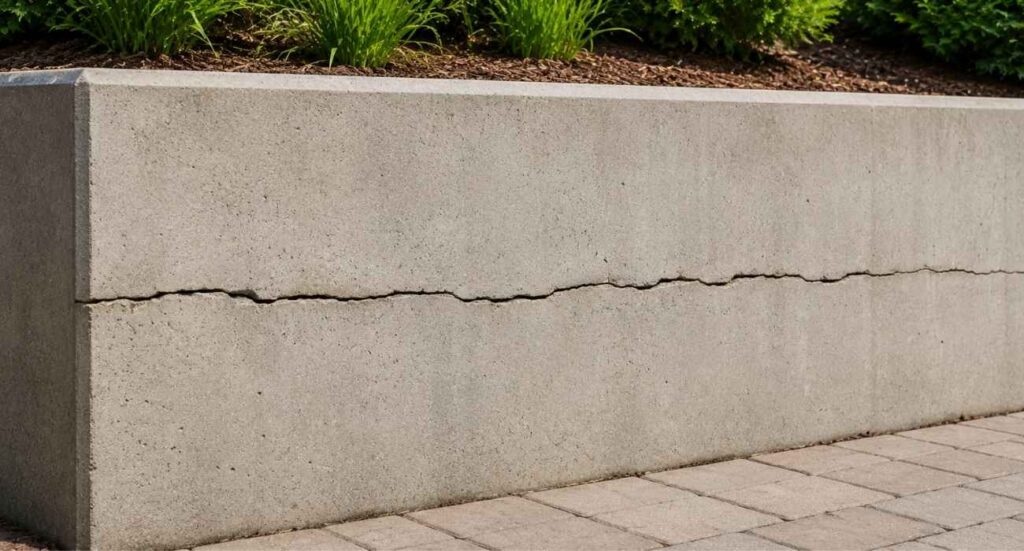
Watch for:
- widening cracks
- deep fractures
- stair-step cracking
- moisture stains
- separated masonry joints
Small cracks can quickly worsen during winter as trapped moisture freezes and expands inside the wall.
Bulging Sections
Bulging usually means the wall is struggling to handle the pressure behind it.
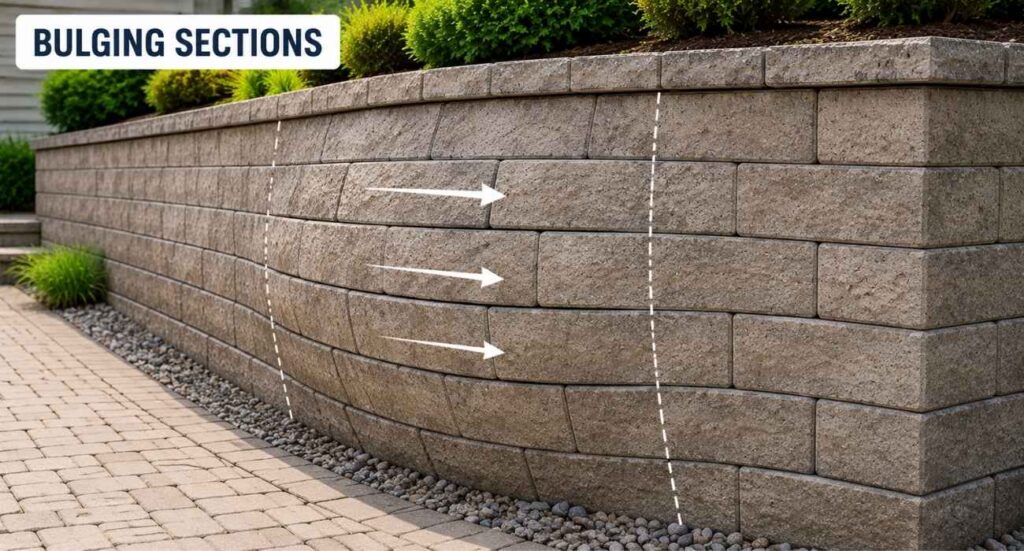
This problem is common in retaining walls with:
- clogged drainage systems
- poor backfill material
- aging foundations
- water accumulation
Bulging sections should never be ignored because they can eventually lead to sudden structural failure.
Water Pooling Near the Wall
Standing water is one of the clearest signs of drainage problems.
When water cannot properly escape behind the retaining wall, hydrostatic pressure increases and slowly weakens the structure over time.
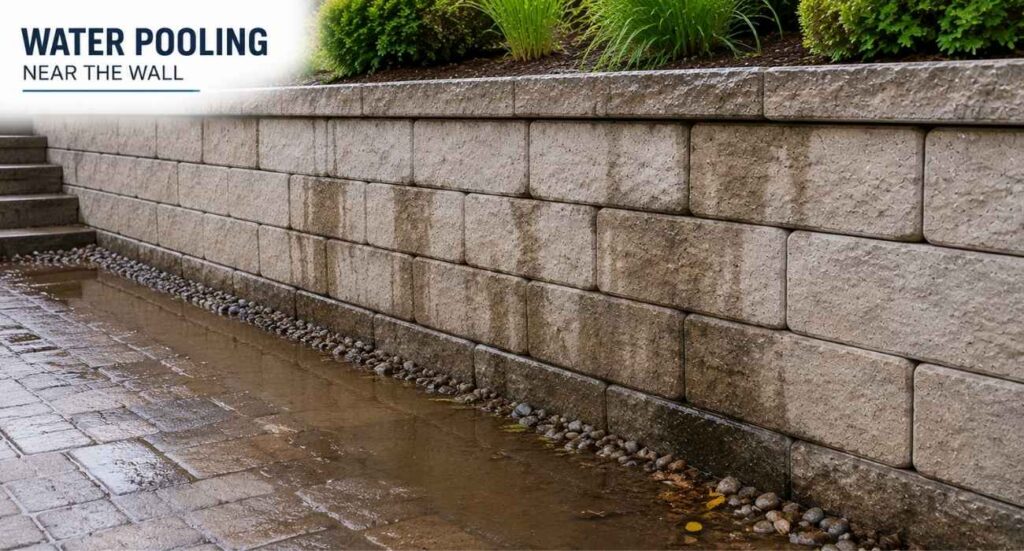
Common drainage warning signs include:
- muddy runoff
- soggy soil
- leaking joints
- erosion behind the wall
- water stains
In many repair projects, drainage correction becomes more important than the visible masonry repair itself.
Loose Stones, Bricks, or Blocks
Loose materials often indicate movement beneath the wall or deterioration within the mortar joints.
Older retaining walls throughout Brooklyn and Queens commonly develop this issue after years of moisture exposure and freeze-thaw damage.
Soil Erosion Around the Structure
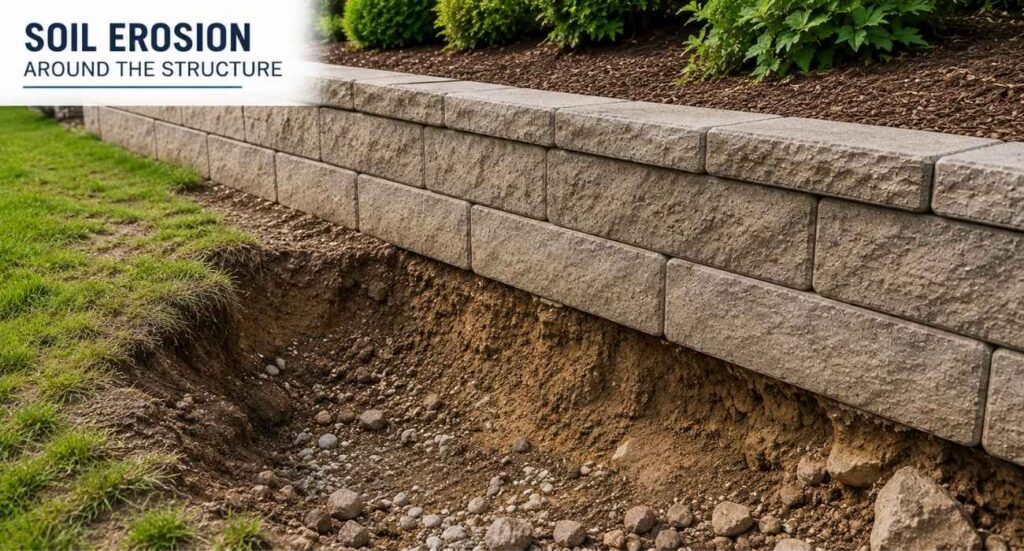
Erosion near the retaining wall may signal drainage failure or structural instability.
If ignored, erosion can eventually affect:
- nearby sidewalks
- patios
- landscaping
- driveways
- foundations
Warning Signs That Need Immediate Attention
Some retaining wall problems require urgent retaining wall repair because they may indicate major structural instability.
Contact a retaining wall contractor immediately if you notice:
- severe leaning
- rapidly widening cracks
- collapsing sections
- large foundation gaps
- sudden soil movement
- flooding behind the wall
- sinking areas near the structure
- falling masonry pieces
Small retaining wall problems rarely stay small for long. Once movement accelerates, repair costs usually increase significantly.
What Causes Retaining Wall Failure?
Most retaining wall damage develops slowly over time. In many cases, the wall itself is not the original problem — the drainage system behind it is.
Poor Drainage Systems
Poor drainage is the leading cause of retaining wall failure.
When water becomes trapped behind the structure, pressure builds against the wall surface continuously. Over time, this moisture weakens the soil, increases structural stress, and causes movement.
Common drainage problems include:
- clogged drain pipes
- missing weep holes
- compacted backfill
- poor grading
- blocked drainage outlets
One of the biggest mistakes homeowners make is repairing visible cracks while ignoring the drainage issue causing the pressure.
Hydrostatic Pressure
Hydrostatic pressure occurs when saturated soil pushes against the retaining wall.
As moisture builds behind the structure, the wall experiences increasing lateral earth pressure that can eventually cause:
- cracking
- bowing
- leaning
- shifting
- collapse
This issue becomes much worse after heavy rainstorms or snowmelt.
Freeze-Thaw Damage
NYC weather creates constant freeze-thaw exposure during winter months.
Water enters small cracks inside the wall, freezes overnight, expands, and gradually weakens the structure from the inside.
Over time, this process causes:
- cracked concrete
- deteriorating mortar
- shifting stones
- loose brickwork
Freeze-thaw damage is one of the biggest reasons older retaining walls begin failing throughout New York.
Weak Foundation Preparation
Improper installation is another major cause of retaining wall problems.
If the footing beneath the structure was not compacted correctly during construction, the wall may eventually settle unevenly and develop structural movement.
Poor base preparation often leads to:
- leaning walls
- uneven settlement
- cracking
- drainage instability
Tree Root Pressure
Large tree roots can place serious pressure against retaining wall foundations while also interfering with drainage systems underground.
In some projects, roots continue pushing against the structure year after year until movement becomes visible.
Aging Materials
Even well-built retaining walls naturally weaken over time.
Older structures may develop:
- mortar deterioration
- weakened concrete
- rusted reinforcement
- shifting masonry
- failing waterproofing systems
Regular inspections help catch these issues before larger structural repairs become necessary.
What Happens if You Ignore Retaining Wall Damage?
Many homeowners delay repairs because the damage initially appears minor. Unfortunately, retaining wall issues usually become more expensive the longer they are ignored.
A small drainage problem today can eventually lead to:
- wall collapse
- severe erosion
- foundation movement
- flooded landscapes
- damaged patios
- cracked walkways
- expensive reconstruction
We often see retaining wall repairs that could have been manageable early on turn into full rebuild projects simply because drainage problems were left untreated for too long.
Common Retaining Wall Repair Solutions
The right repair method depends on the severity of damage, wall type, drainage condition, and foundation stability.
Crack Repair
Minor cracks are often repaired using:
- epoxy injection
- masonry patching
- concrete sealing
- mortar repair
However, experienced contractors always inspect what is happening behind the wall before simply sealing visible cracks.
Drainage Correction
Drainage repair is one of the most important parts of retaining wall stabilization.
Contractors may install:
- French drains
- gravel backfill
- drainage pipes
- weep holes
- waterproof membranes
Without proper drainage, most retaining wall repairs will eventually fail again.
Structural Reinforcement
Leaning or unstable walls may require reinforcement systems such as:
- steel anchors
- tiebacks
- retaining wall pins
- geogrid reinforcement
- reinforced concrete support
These systems help stabilize the structure and reduce future movement.
Partial Rebuilding
Some retaining walls only require rebuilding in damaged areas instead of full replacement.
Partial rebuilding is often possible when:
- damage is localized
- the foundation remains stable
- drainage issues are corrected early
Waterproofing Protection
Waterproofing systems help reduce long-term moisture intrusion.
Common waterproofing solutions include:
- sealants
- moisture barriers
- waterproof coatings
- drainage membranes
Professional Retaining Wall Repair Process
Many homeowners are unsure how retaining wall repair actually works. While every project differs, experienced contractors typically follow a structured repair process.
Step 1: Structural Inspection
The process starts with a detailed inspection of:
- wall movement
- drainage conditions
- crack severity
- soil pressure
- foundation stability
In older NYC properties, contractors often discover hidden drainage failures only after excavation begins.
Step 2: Excavation Behind the Wall
Excavation helps relieve pressure and exposes hidden drainage problems.
This stage may reveal:
- saturated soil
- failed drain pipes
- unstable backfill
- deteriorated waterproofing
Step 3: Drainage Improvements
Proper drainage correction is critical for long-term structural stability.
Depending on the project, contractors may install:
- gravel drainage systems
- French drains
- drainage outlets
- waterproof barriers
Step 4: Reinforcement and Repairs
Once pressure issues are corrected, structural repairs begin.
This may include:
- crack repair
- reinforcement anchors
- masonry rebuilding
- stabilization systems
- footing reinforcement
Step 5: Final Grading and Waterproofing
The final stage focuses on improving water runoff around the retaining wall to help prevent future moisture buildup.
Retaining Wall Repair Cost in 2026
Retaining wall repair costs depend on several factors, including wall size, material type, drainage conditions, accessibility, and structural damage severity.
Below is a general cost breakdown for common retaining wall repair services in 2026.
| Repair Service | Average Cost | Time Required |
|---|---|---|
| Minor Crack Repair | $300 – $900 | 1 Day |
| Drainage Repair | $800 – $3,500 | 2–5 Days |
| Wall Reinforcement | $1,500 – $6,000 | 3–7 Days |
| Partial Wall Rebuild | $2,500 – $10,000 | 1–2 Weeks |
| Waterproofing Services | $1,000 – $4,500 | 2–4 Days |
| Full Wall Replacement | $5,000 – $25,000+ | 1–3 Weeks |
What Increases Retaining Wall Repair Costs?
Several factors can significantly increase retaining wall repair pricing.
Severe Drainage Problems
Drainage excavation often adds labor and material costs because contractors must access the entire backside of the wall.
Difficult Site Access
Tight NYC properties frequently make excavation and equipment access more challenging.
Structural Instability
Walls with severe movement or foundation failure usually require reinforcement systems or rebuilding.
Emergency Repairs
Emergency retaining wall repairs after storms or collapses typically cost more because immediate stabilization work is required.
Repair vs Replacement: Which Is Better?
One of the most common homeowner questions is whether repairing the wall or replacing it completely is the better investment.
When Repair Is the Better Option
Repair is usually possible when:
- damage is localized
- leaning is minor
- the foundation remains stable
- drainage problems are manageable
Early repairs can extend the wall’s lifespan significantly.
When Replacement Is Necessary
Replacement may be required when:
- the wall is collapsing
- severe foundation movement exists
- drainage systems completely failed
- the structure was poorly built originally
Although replacement costs more upfront, it may provide better long-term safety and durability.
Common Mistakes Homeowners Make
Over the years, we’ve seen several common mistakes repeatedly turn manageable repairs into major reconstruction projects.
Avoid these mistakes:
- ignoring drainage issues
- patching cracks only
- delaying inspections
- attempting major DIY repairs
- planting large trees too close
- ignoring early leaning signs
Most retaining wall failures become much worse because early warning signs were overlooked.
Retaining Wall Maintenance Tips
Preventive maintenance can significantly reduce future repair costs.
Helpful maintenance practices include:
- inspect walls annually
- keep drainage outlets clear
- repair small cracks early
- monitor water buildup
- control vegetation growth
- maintain proper grading
Routine inspections after heavy storms or winter weather are especially important in NYC.
Retaining Wall Repair in NYC
Retaining walls throughout New York face unique environmental pressures.
Common local challenges include:
- freeze-thaw cycles
- aging masonry systems
- limited drainage space
- heavy rainfall
- hillside pressure
- tight urban excavation conditions
Older brownstone retaining walls in Brooklyn and masonry structures throughout Queens often experience long-term drainage-related movement because of aging waterproofing systems and decades of soil pressure.
Experienced NYC contractors understand:
- local permit requirements
- drainage engineering
- masonry stabilization
- waterproofing systems
- structural reinforcement methods
Why Choose NuEra Contractors for Retaining Wall Repair?
At NuEra Contractors, we provide professional retaining wall repair solutions for residential and commercial properties across NYC. Our team focuses on long-lasting repairs, proper drainage correction, and structural stability to help prevent future wall failure and expensive reconstruction costs.
- professional retaining wall repair services
- drainage and waterproofing solutions
- wall reinforcement and stabilization
- cracked and leaning wall repairs
- experienced retaining wall contractor team
- residential and commercial retaining wall repair
Frequently Asked Questions
How much does retaining wall repair cost?
Most retaining wall repair projects range from $300 to $25,000+ depending on drainage conditions, structural damage, and wall size.
Can a leaning retaining wall be repaired?
Yes. Many leaning retaining walls can be stabilized using drainage correction, reinforcement systems, and structural rebuilding methods.
What causes retaining walls to fail?
Poor drainage, hydrostatic pressure, freeze-thaw damage, weak foundations, and improper construction are the most common causes.
Is a cracked retaining wall dangerous?
Small cracks are not always structural emergencies, but widening cracks should be inspected quickly because they often signal pressure buildup behind the wall.
Do retaining walls need drainage pipes?
Yes. Proper drainage systems help reduce hydrostatic pressure and protect the retaining wall from moisture-related damage.
How long do retaining wall repairs last?
Professional retaining wall repairs can last for decades when combined with proper drainage correction and regular maintenance.
Final Thoughts
Small retaining wall problems rarely stay small for long. What begins as a minor crack or drainage issue can eventually lead to serious structural movement, water damage, and expensive reconstruction.
The best way to avoid major retaining wall failure is early inspection and proper drainage correction. Whether your wall is leaning, cracking, or showing signs of erosion, addressing the issue early can extend the life of the structure and help prevent costly future repairs.
For homeowners in NYC, regular maintenance, waterproofing, and professional retaining wall repair are especially important because of the region’s freeze-thaw weather conditions and aging masonry infrastructure.
Have Questions? Call NuEra Contracting Today!
📞 347-444-9028
We’re here to help with expert construction, brickwork, roofing, and waterproofing services. Get reliable solutions, friendly support, and professional results for your next project.

