
In modern architecture, safety and style go hand in hand—and one feature that perfectly reflects this balance is the parapet wall. Often seen at the edges of rooftops and terraces, it is more than just a boundary; it protects occupants while enhancing the building’s overall appearance.
As urban living evolves, rooftops are increasingly being used as functional spaces. Whether for relaxation, gardening, or utilities, having a properly designed parapet ensures both safety and usability while giving a polished look to the structure.
This detailed guide will help you understand what a parapet is, explore different styles, and learn about construction, materials, and the latest design trends.
What is a Parapet Wall?
A parapet is a low protective barrier built along the edge of a roof, balcony, or terrace. Extending above the roofline, it acts as a safeguard against accidental falls while providing safety for occupants and pets. Beyond its protective function, a parapet enhances the architectural character of the building, giving it a finished and aesthetically pleasing look. Additionally, parapets can help conceal rooftop equipment, manage wind pressure, and even serve as a base for decorative elements or functional features like lighting and planters.
Parapet Wall Definition

The parapet wall refers to a vertical extension of a building’s outer wall at the roof level. Historically, parapets were used in forts and castles, but today they serve both functional and decorative purposes.
Parapet Meaning in Construction
In construction, the term goes beyond safety. A parapet roof system enhances usability and helps create defined rooftop spaces.
Key Functions
• Prevents accidental falls
• Improves privacy
• Enhances exterior aesthetics
• Reduces wind exposure
• Conceals rooftop equipment
Understanding the role of a parapet helps homeowners make better design choices.
Many modern buildings use parapet walls as part of a parapet roof system to improve roof safety and exterior design. Read our Parapet Roof Guide to understand how these systems work together.
Types of Parapet Wall
There are several types of parapet wall, each designed to meet functional and aesthetic needs. Selecting the right type depends on building style, climate, and budget.
Plain Parapet Wall
A plain design is simple and widely used. It features a clean, straight finish without decorative elements, making it ideal for residential buildings where functionality is key.
Key features:
• Cost-effective
• Easy to construct
• Minimal maintenance
Perforated Parapet Wall
A perforated design includes openings or patterns that allow light and air to pass through, offering both ventilation and visual interest.
Advantages:
• Better airflow
• Unique aesthetic
• Reduced wind pressure
Panelled Parapet Wall
Panelled designs add depth and texture to a building. They are often seen in high-end homes for a sophisticated look.
Highlights:
• Decorative panels
• Modern and elegant appearance
• Increases property value
Embattled Parapet Wall
Inspired by historic castles, an embattled design features alternating raised sections. Less common today, it is often used in heritage-style buildings.
Sloped Parapet Wall
Sloped designs are built to allow water drainage efficiently, which is especially useful in regions with heavy rainfall.
Best suited for:
• Flat roofs
• Rain-prone areas
• Long-term durability
Standard Parapet Wall Height & Thickness
Choosing the correct parapet wall height ensures safety and compliance with building codes.
Standard Dimensions
• Height: Typically 3 to 4 feet
• Thickness: Around 4 to 9 inches
• Varies depending on material and building design
A well-proportioned roof parapet wall balances safety and aesthetics, ensuring it complements the building’s overall structure.
Parapet Wall Construction Process
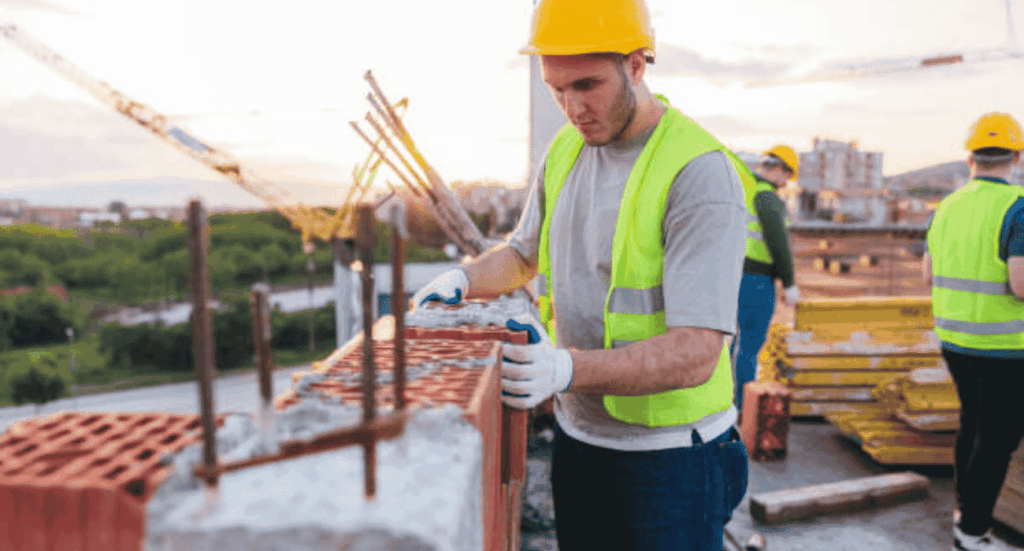
Proper construction ensures durability and functionality.
Construction Steps
1. Planning & Layout
• Define dimensions and style
• Select suitable design
2. Surface Preparation
• Clean roof slab
• Mark layout lines accurately
3. Masonry Work
• Construct using bricks or concrete
• Maintain alignment and strength
4. Reinforcement
• Add steel bars if necessary
• Improves wall durability
5. Waterproofing
• Apply protective coatings
• Prevent moisture damage
6. Finishing
• Plastering and painting
• Install coping for added protection
Single Ply Parapet End Termination to Wall Detail
The single ply parapet end termination to wall detail is essential in modern flat roof construction, ensuring TPO, PVC, or EPDM membranes are securely connected to the parapet wall. This detail prevents water infiltration, protects against wind uplift, and provides a clean junction between the roof and wall. Installation involves securing the membrane with adhesives or fasteners and covering the joint with metal or PVC flashing. A coping or cap on top protects the membrane edge from rain, UV exposure, and mechanical damage.
Proper termination increases the lifespan of both the parapet wall and roof while reducing maintenance needs. Poor installation can lead to leaks, membrane bubbling, or flashing failure, causing structural damage. Routine inspections, cleaning, and resealing help maintain waterproofing and durability. This detail also supports modern parapet wall designs, combining functional protection with aesthetic appeal.
Key Considerations:
- Waterproofing: Proper sealing prevents water infiltration.
- Mechanical Fastening: Anchors the membrane securely.
- Flashing: Covers the joint to protect against weather.
- Coping Integration: Provides a smooth finish.
- Durability: Reduces maintenance and prolongs the roof and wall life.
Installation Tips:
- Inspect the wall surface for cracks or unevenness.
- Use recommended adhesives or fasteners.
- Ensure flashing overlaps membrane for effective water diversion.
- Inspect periodically, especially after storms.
Proper termination keeps your rooftop leak-free and maintains structural integrity.
Benefits of Parapet Walls
A parapet offers multiple advantages, combining safety, aesthetics, and functionality for both residential and commercial buildings. It acts as a protective barrier, preventing accidental falls from terraces, balconies, or rooftops while enhancing privacy for occupants. In addition to safety, parapets improve the architectural appeal of a building and can be designed with modern finishes, decorative panels, or glass inserts. They also help manage wind pressure, conceal rooftop equipment, and provide opportunities for incorporating lighting, greenery, or other functional features.
Enhanced Safety
• Prevents falls from terraces or balconies
• Creates a protective barrier for children and pets
Privacy & Security
• Shields rooftop areas from external view
• Reduces wind and dust exposure
Architectural Value
• Improves the building’s profile
• Allows modern parapet wall designs like glass, metal, or stone
• Can incorporate lighting or vertical gardens
Functional Benefits
• Conceals rooftop equipment
• Reduces wind pressure
• Supports water management with sloped parapets or drainage
Fire Protection
• Acts as a firebreak in certain buildings
Property Value
• Well-designed parapets increase building value
• Enhances usability of rooftop spaces for leisure or gardening
Modern Parapet Wall Design Ideas
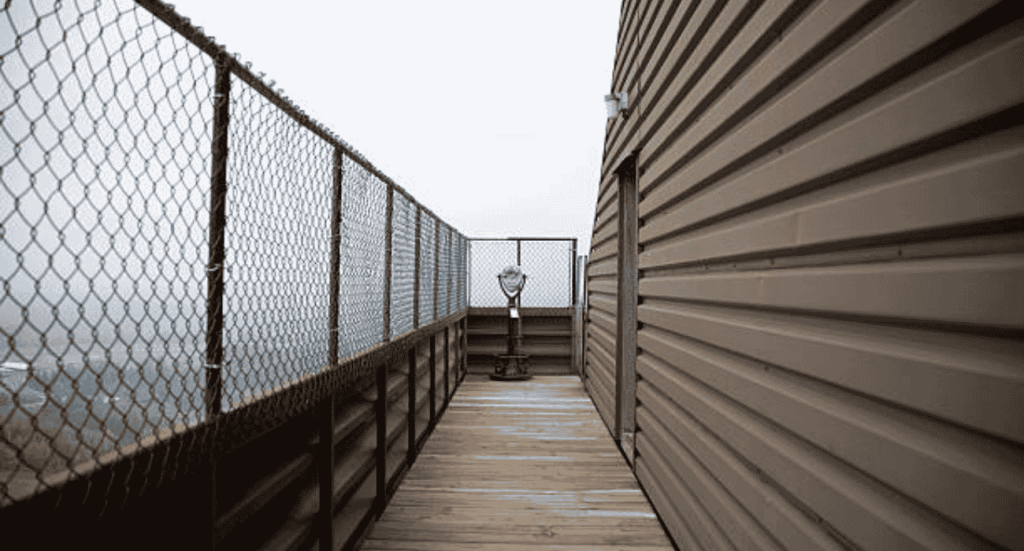
Modern parapet designs focus on both style and functionality, creating rooftops that are safe, attractive, and practical. A well-designed parapet can enhance the overall aesthetic of a building while providing protection against wind, rain, and accidental falls. Contemporary designs incorporate materials like glass, metal, or stone, and can include features such as lighting, planters, or decorative panels. By combining durability with visual appeal, modern parapets transform ordinary rooftops into functional and inviting spaces.
Trending Designs:
1. Glass Parapets – Sleek look, unobstructed views
2. Metal Railing Parapets – Lightweight, durable, easy installation
3. Concrete Designer Parapets – Custom textures, long-lasting
4. Green Parapets – Incorporates plants for eco-friendly style
5. LED Lighting – Illuminates rooftop, adds night-time appeal
6. Mixed Materials – Combines concrete, metal, and glass for unique effects
These ideas help homeowners create striking, functional parapets.
Materials Used in Parapet Walls
Material choice for a parapet wall significantly impacts its durability, appearance, and overall cost. Different materials offer varying strengths, maintenance requirements, and design possibilities, allowing homeowners to balance practicality with aesthetics. Common options include brick for a traditional look, reinforced concrete for strength, metal for a modern feel, and glass or stone for premium finishes. Selecting the right material ensures the parapet not only complements the building’s style but also withstands weathering and lasts for decades.
Common Materials:
- Brick masonry – Traditional and cost-effective
- Reinforced concrete (RCC) – Strong and durable
- Steel – Modern and lightweight
- Glass – Premium, stylish
- Natural stone – Elegant and long-lasting
Material selection should consider climate, budget, and maintenance requirements.
Maintenance Tips for Parapet Walls
Proper maintenance of a parapet wall is essential to ensure its long-term durability, safety, and visual appeal. Regular inspections help identify cracks, loose plaster, or damaged flashing before they cause serious problems. Cleaning debris, resealing joints, and reapplying waterproof coatings protect the wall from water infiltration, moss growth, and weather damage. Consistent upkeep not only extends the lifespan of the parapet but also preserves the building’s aesthetic value and structural integrity.
Routine Inspections
• Check for cracks or loose plaster
• Inspect after storms or heavy rain
Waterproofing & Drainage
• Reapply waterproof coatings periodically
• Clear drains and scuppers
Structural Care
• Repair cracks or damaged bricks promptly
• Avoid heavy loads on parapets
Cleaning & Aesthetics
• Remove debris and dirt
• Wash walls to prevent moss or algae
• Repaint or replaster faded surfaces
Coping & Flashing
• Inspect coping stones and flashing for damage
• Replace worn components to prevent leaks
Regular maintenance keeps parapets safe, functional, and visually appealing.
Cost Factors of Parapet Wall
The cost depends on:
• Material type
• Wall height and thickness
• Design complexity
• Labor charges
• Finishing and waterproofing
Basic construction is affordable, but advanced modern parapet wall designs can raise costs significantly.
FAQs About Parapet Wall
1. What is a parapet wall used for?
Provides safety, privacy, and improves building aesthetics.
2. What is the standard parapet wall height?
Typically 3–4 feet for residential buildings.
3. What is a parapet roof?
A roof with a protective parapet around its edges.
4. Which material is best for parapet walls?
Brick and concrete are durable and cost-effective.
5. Are parapet walls necessary?
Yes, they enhance safety, privacy, and aesthetics.
6. How long does a parapet wall last?
With proper construction and maintenance, it can last decades.
Conclusion
A parapet wall is a vital architectural feature that improves safety, functionality, and aesthetics. From understanding what a parapet is to exploring different types, construction techniques, and modern design ideas, a well-planned wall can transform any rooftop into a safe and elegant space.
Regular maintenance, correct height, and smart material choice ensure your parapet remains durable and attractive for years.
Have Questions? Call NuEra Contracting Today!
📞 347-444-9028
We’re here to help with expert construction, brickwork, roofing, and waterproofing services. Get reliable solutions, friendly support, and professional results for your next project.

