Concrete is one of the most widely used construction materials because of its strength, durability, and long lifespan. However, despite its toughness, concrete is naturally porous and can absorb water over time. Moisture intrusion can lead to cracks, mold growth, efflorescence, surface deterioration, and even structural damage. This is why selecting the best Thoroseal coating for concrete waterproofing is essential for protecting concrete and masonry surfaces from long-term water-related issues.
Among the many waterproofing products available, Thoroseal is widely recognized as one of the most effective solutions for concrete waterproofing. Its cement-based formula penetrates deep into the surface, creating a durable waterproof barrier that helps resist water pressure, prevent leaks, and extend the life of concrete structures. In this guide, you’ll learn how Thoroseal works, its key benefits, application process, maintenance tips, and why it remains one of the best coatings for concrete waterproofing.
Why Waterproofing is Essential
Waterproofing concrete is not just a matter of aesthetics; it is a structural necessity. Water can penetrate concrete through tiny pores, causing:
• Dampness and seepage: Persistent moisture can damage interiors and reduce comfort.
• Mold and mildew growth: Excess moisture encourages the growth of fungi, which can affect health.
• Surface cracking: Water expands when it freezes, causing cracks in concrete.
• Structural weakening: Prolonged exposure to water can compromise the strength of walls and foundations.
• Paint peeling and corrosion: Moisture can ruin finishes, leading to costly repairs.
Proper waterproofing prevents these issues, ensuring that your concrete structures remain strong, safe, and durable over time.
What is Thoroseal Coating?
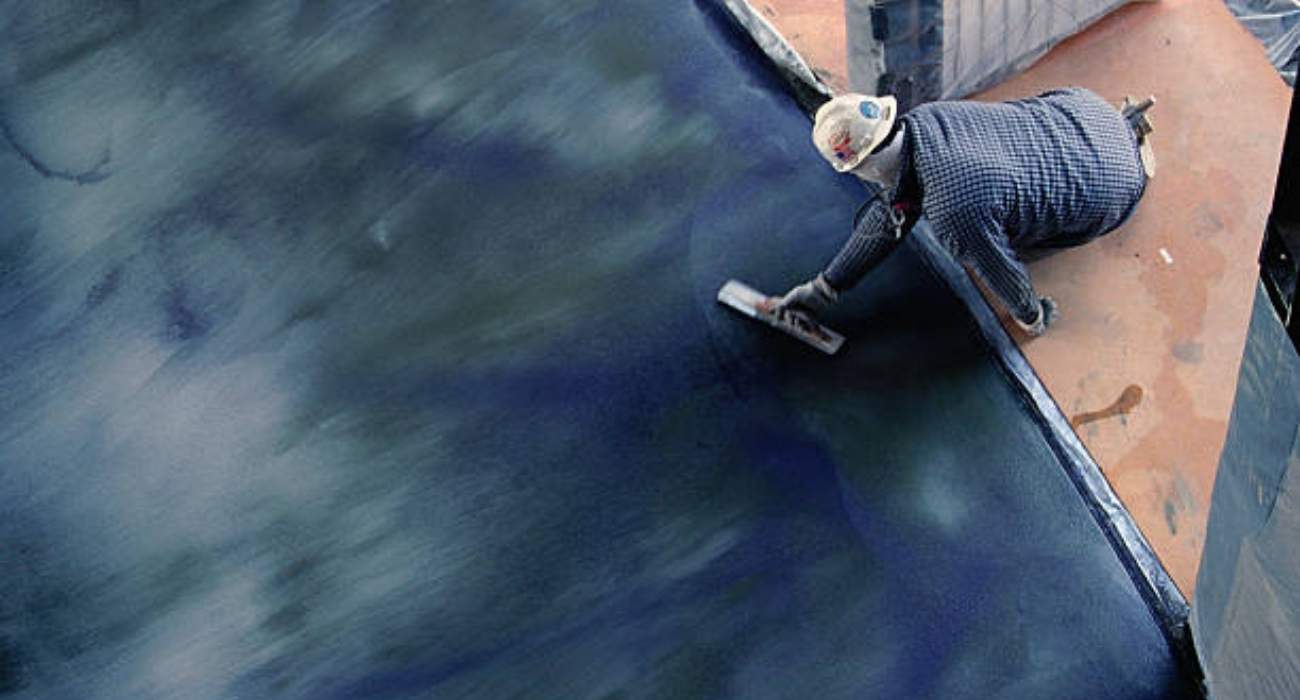
Thoroseal is a cement-based waterproof coating designed specifically for concrete and masonry surfaces. Unlike conventional surface sealers, it penetrates deeply into pores and micro-cracks, forming a durable barrier that blocks water entry while still allowing vapor to escape. This unique feature prevents blistering and surface damage caused by trapped moisture.
Its ability to resist negative water pressure makes it suitable for areas exposed to constant moisture, such as basements, foundations, water tanks, and retaining walls. Its versatility allows it to be applied on both interior and exterior surfaces, making it ideal for residential, commercial, and industrial projects.
Common Applications
Thoroseal can be used for a wide variety of applications:
• Basements: Prevents damp walls and floors caused by groundwater.
• Foundations: Strengthens the base of your building against moisture infiltration.
• Retaining walls: Protects walls from water pressure and soil moisture.
• Water tanks: Ensures stored water remains uncontaminated by leakage.
• Concrete blocks: Enhances durability of masonry units.
Its wide range of applications demonstrates its adaptability and effectiveness in different construction scenarios.
Why Concrete Needs Waterproofing
Even though concrete appears solid, it is inherently porous. This porosity allows water to penetrate slowly, causing:
• Water seepage and dampness – Moisture can affect interior walls and flooring.
• Mold and mildew growth – Persistent dampness creates a breeding ground for fungi.
• Structural weakening – Water can erode concrete over time, affecting stability.
• Paint peeling and surface damage – Water infiltration causes cosmetic and functional damage.
Waterproof coatings like Thoroseal seal these pores and prevent moisture intrusion, protecting both the integrity and appearance of your structures.
Key Features of Thoroseal Coating
Understanding the features of Thoroseal helps in selecting it as the best waterproofing solution:
• Strong Adhesion: Bonds deeply with concrete and masonry to resist peeling or flaking.
• Breathable Coating: Allows vapor to escape, preventing trapped moisture damage.
• Durable Protection: Creates a long-lasting barrier resistant to weather and water pressure.
• Versatile Application: Works on both vertical and horizontal surfaces, interior and exterior.
These qualities make Thoroseal a preferred choice for both small-scale residential projects and large commercial or industrial works.
Types of Thoroseal Coatings
Selecting the right type of coating depends on your project requirements, surface conditions, and the level of moisture exposure. Choosing the appropriate option ensures maximum protection and long-lasting results:
• Standard Cementitious: Provides reliable, general-purpose waterproofing for concrete and masonry surfaces. Ideal for areas with minimal movement and moderate moisture exposure.
• Polymer-Modified: Offers superior flexibility and stronger adhesion, making it perfect for surfaces that may experience slight movement or shifting over time. It enhances durability in areas prone to minor structural stress.
• Brush or Spray Applied: Convenient and easy-to-use application methods suitable for both DIY projects and professional jobs. These options ensure even coverage and can adapt to hard-to-reach surfaces.
Each type has distinct advantages, and selecting the right one depends on your project’s specific conditions, water exposure levels, and expected durability. Consulting manufacturer guidelines and considering surface preparation can further enhance performance, ensuring the coating provides reliable protection for years to come.
How Thoroseal Works
The coating works through a dual-action mechanism:
• Penetrates deep into pores, filling micro-cracks and voids to prevent water seepage.
• Chemically bonds with the surface, forming a connection that traditional sealers cannot achieve.
• Forms a flexible, durable barrier, capable of resisting both positive and negative water pressure.
• Blocks water entry while allowing vapor to escape, preventing blistering or damage.
• Strengthens the surface, reducing the risk of cracks and structural deterioration.
• Can be applied on damp surfaces, making it convenient for continuously wet areas.
• Protects against environmental factors, including heavy rain, groundwater pressure, and temperature changes.
This dual-action process ensures long-term waterproofing and structural protection, outperforming conventional coatings.
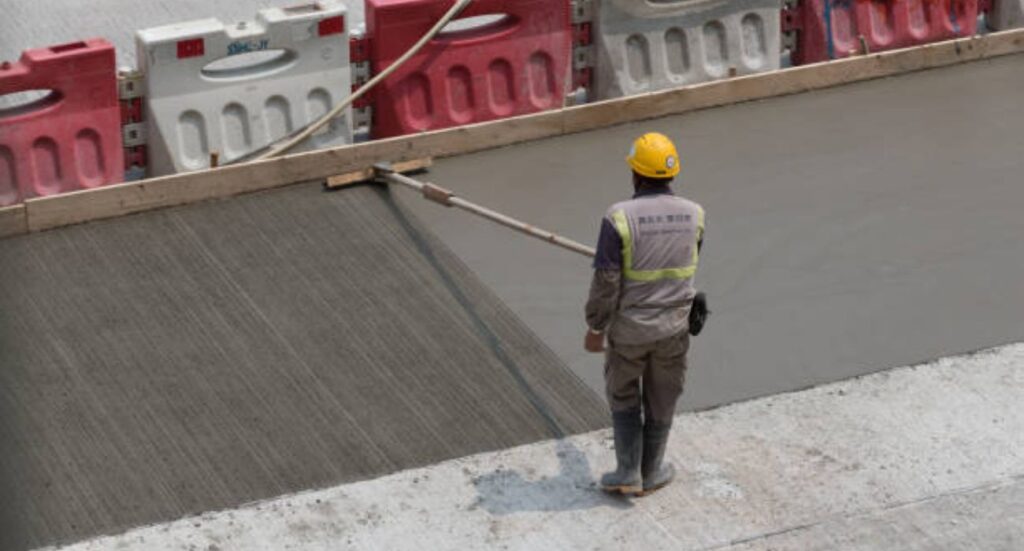
Step-by-Step Application Process
Proper application is critical for maximizing effectiveness:
Surface Preparation:
- Remove dust, dirt, grease, and loose materials.
- Repair cracks and holes.
- Dampen the surface lightly before application.
Mixing:
- Mix the powder with water to create a smooth, lump-free consistency.
- Ensure proper ratios for maximum adhesion.
Application:
- Apply evenly using a brush, roller, or spray.
- Maintain a uniform layer thickness.
Curing:
- Keep the surface moist during curing.
- Allow sufficient drying time for full protection.
Following these steps ensures optimal performance and longevity.
Advantages of Using Thoroseal
• Cost-effective, providing long-term protection and reducing repair frequency.
• Easy to apply for both DIY projects and professional use.
• Works on slightly damp surfaces, perfect for renovations or repairs.
• Resistant to negative water pressure, protecting interior walls against seepage.
• Reduces mold and mildew growth by preventing moisture penetration.
• Enhances structural durability of concrete over time.
• Environmentally friendly, with a cement-based formulation that is safe to use.
• Minimal maintenance required after application.
Comparison with Other Waterproofing Methods
Thoroseal offers distinct advantages over traditional coatings:
| Feature | Thoroseal | Bituminous Coating | Liquid Membranes |
|---|---|---|---|
| Breathable | Yes | No | Sometimes |
| Bonds with Concrete | Yes | Limited | Surface Only |
| Long-lasting | Yes | Limited | Limited |
| Resists Pressure | Yes | No | Yes |
Its combination of durability, flexibility, and breathability makes it superior for long-term protection.
Common Mistakes to Avoid
• Skipping surface preparation
• Applying on dusty or dirty surfaces
• Incorrect mixing ratios
• Not allowing proper curing
• Uneven coating application
Avoiding these mistakes ensures the waterproofing performs effectively for years. Additionally, always check for underlying structural issues before application, as hidden cracks or moisture problems can compromise results. Using the recommended tools and following manufacturer instructions carefully also improves adhesion and coverage. Regular monitoring during the curing period ensures the coating sets evenly and delivers maximum protection against water damage.
Maintenance Tips
• Inspect surfaces regularly.
• Repair cracks immediately.
• Keep drainage systems clear.
• Avoid harsh chemicals that can degrade the coating.
• Maintain clean, dry surfaces where possible.
Proper maintenance ensures that the coating continues to protect your concrete structures effectively. In addition, monitoring for signs of wear or discoloration helps you address issues early before they become costly problems. Seasonal checks, especially after heavy rain or winter, can prevent moisture buildup and structural damage. Regular care not only prolongs the life of the coating but also maintains the overall durability and appearance of your concrete surfaces.
Cost Considerations
Several factors affect the cost:
• Surface area: Larger areas require more material.
• Condition of concrete: Cracks or uneven surfaces may need extra preparation.
• Labor: Professional application ensures optimal results.
• Number of coats: Usually two; heavily exposed areas may require more.
Despite initial costs, the coating is highly cost-effective due to its long-lasting protection. Investing now saves on repairs and maintenance over time.
FAQs About Thoroseal
1. What is Thoroseal used for?
Waterproofing masonry surfaces like basements, foundations, retaining walls, and water tanks.
2. Is Thoroseal suitable for basement waterproofing?
Yes, it withstands negative water pressure, making it ideal for interior walls.
3. How long does Thoroseal coating last?
When applied correctly, it lasts for years depending on surface preparation and environmental conditions.
4. Can Thoroseal be applied on damp surfaces?
Yes, one of its advantages is application on slightly damp surfaces.
5. How many coats are required?
Typically, 2 coats are recommended; heavily exposed areas may need more.
6. Can Thoroseal stop active leaks?
It helps prevent water penetration; active cracks should be repaired first.
7. What is the drying time?
Initial drying is usually 24 hours; full curing may take several days.
8. Is Thoroseal safe for drinking water tanks?
Some types are suitable; always check manufacturer specifications.
9. Can Thoroseal be painted over?
Yes, once fully cured, it can be painted with compatible coatings.
10. What surface preparation is needed?
Clean, repair, and dampen surfaces before application for optimal adhesion.
Final Thoughts
Thoroseal is essential for preventing costly damage and maintaining structural integrity, offering strong adhesion, durability, and versatility across a wide range of applications.
It helps protect basements, foundations, retaining walls, and water tanks from moisture and dampness. Its ability to resist both positive and negative water pressure ensures long-lasting protection. Easy to apply and suitable for both DIY and professional projects, this coating delivers reliable results every time. Choosing it means investing in the safety and longevity of your concrete structures.
Have Questions? Call NuEra Contracting Today!
📞 347-444-9028
We’re here to help with expert construction, brickwork, roofing, and waterproofing services. Get reliable solutions, friendly support, and professional results for your next project.

