
Your home’s exterior protects it from rain, wind, moisture, and changing weather while enhancing curb appeal and energy efficiency. That’s why siding installation can be a valuable investment for residential and commercial properties. Whether you’re building a new home, replacing damaged siding, or upgrading your exterior, choosing the right material and professional installation can provide lasting protection and improve your property’s appearance and value.
For NYC property owners, siding also needs to withstand seasonal temperature changes, rain, snow, wind, and everyday urban conditions. In this guide, you’ll learn everything you need to know about siding installation NYC, including its benefits, popular siding materials, the installation process, cost factors, maintenance considerations, and expert tips for choosing the right contractor.
What Is Siding Installation?
Siding installation is the process of installing protective exterior cladding on the outside walls of a residential or commercial building. It creates a durable layer that helps protect the structure from rain, wind, moisture, and other environmental elements while improving its appearance, energy efficiency, and overall value.
Beyond improving curb appeal, properly installed siding helps protect exterior walls from water intrusion, UV exposure, pests, and temperature fluctuations. When combined with appropriate insulation and weather-resistant barriers, it can also help reduce energy loss and improve indoor comfort.
Professional house siding installation typically involves preparing the wall surface, addressing damaged areas, installing a weather-resistant barrier and flashing, and securely attaching the siding according to the manufacturer’s guidelines. Whether you choose vinyl, wood, fiber cement, engineered wood, metal, or composite siding, proper installation is essential for long-term performance.
7 Proven Benefits of Siding Installation
Professional siding installation offers much more than an attractive exterior. It can protect your property from the elements, improve energy efficiency, reduce maintenance, and enhance curb appeal.
- Protects Against Moisture Damage: Properly installed siding helps create a barrier against rain and moisture, reducing the risk of mold growth, wood rot, insulation damage, and costly structural repairs.
- Improves Energy Efficiency: When combined with quality insulation and a weather-resistant barrier, siding can help reduce heat transfer and improve indoor comfort.
- Enhances Curb Appeal: New siding refreshes your property’s exterior with modern colors, textures, and styles, creating a cleaner and more updated appearance.
- Increases Property Value: A professionally completed residential siding installation can improve the appearance and durability of a property, which may contribute to stronger resale appeal.
- Provides Long-Lasting Protection: Quality siding helps shield exterior walls from wind, UV exposure, pests, and changing weather conditions.
- Reduces Maintenance: Many modern siding materials resist fading, cracking, insects, and moisture, requiring less maintenance than some traditional exterior finishes.
- Offers Flexible Design Options: Siding is available in different materials, colors, textures, and profiles, allowing property owners to match the exterior to the building’s architectural style.
Types of Siding Materials
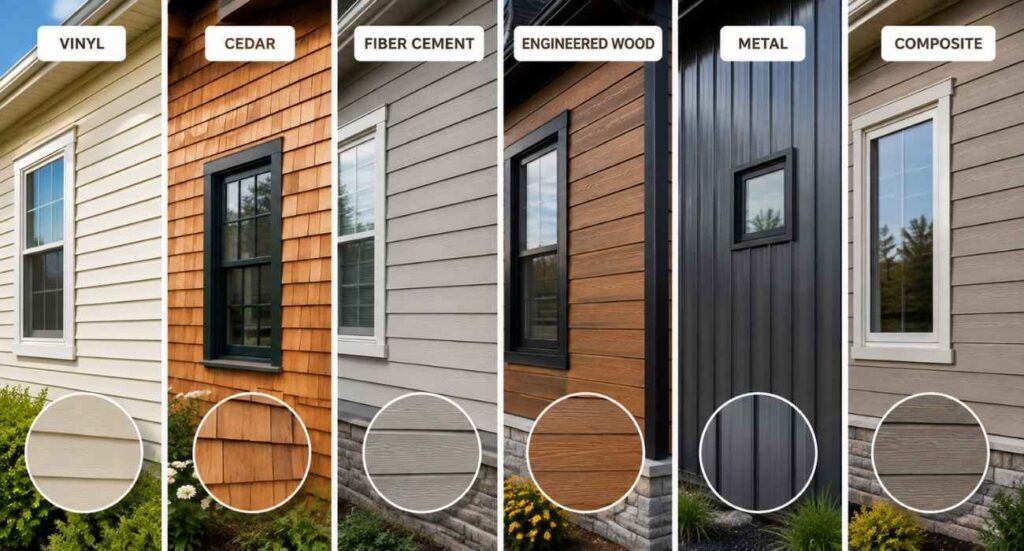
Choosing the right siding material depends on your budget, maintenance preferences, property type, architectural style, and local weather conditions. Each option has different advantages, so comparing materials before starting your project can help you make a better decision.
| Siding Material | Durability | Maintenance | Appearance | Best For |
|---|---|---|---|---|
| Vinyl Siding | High | Low | Traditional & Modern | Budget-friendly homes |
| Wood Siding | High with maintenance | Moderate to High | Natural & Timeless | Classic homes |
| Fiber Cement | Excellent | Low | Premium | Long-term durability |
| Engineered Wood | High | Moderate | Natural wood appearance | Modern homes |
| Metal Siding | Excellent | Low | Contemporary | Commercial & modern buildings |
| Composite Siding | High | Low | Versatile | Low-maintenance exteriors |
Vinyl Siding Installation
Vinyl siding remains a popular choice because it is affordable, durable, and available in a wide range of colors and styles. It requires relatively little maintenance and resists moisture, insects, and fading, making it suitable for many residential properties.
Wood Siding Installation
Wood siding provides natural beauty and timeless character. Cedar, pine, and redwood are common choices that can create excellent curb appeal when properly maintained. Because wood requires periodic staining or painting, property owners should consider long-term maintenance before choosing it.
Fiber Cement Siding Installation
Fiber cement siding combines cement, sand, and cellulose fibers to create a durable exterior material. It offers resistance to fire, moisture, insects, and severe weather while providing an appearance similar to natural wood. Its durability makes it a strong option for property owners seeking long-term performance.
Engineered Wood Siding
Engineered wood siding provides the appearance of real wood while offering resistance to moisture, pests, and impact damage. It can be a practical choice for homeowners who want traditional wood aesthetics with easier maintenance and improved durability.
Metal Siding
Metal siding is commonly used for modern residential designs and commercial properties. Aluminum and steel siding offer strong durability, low maintenance requirements, and good performance in areas exposed to changing weather conditions.
Composite Siding
Composite siding combines materials such as wood fibers and advanced resins to create a durable exterior finish. It offers a versatile appearance and can require less maintenance than traditional wood siding.
Step-by-Step Siding Installation Process
Professional siding installation follows a structured process to help protect your property and ensure the new exterior performs properly. The exact steps can vary depending on the material selected and the condition of the existing walls, but the process generally includes:
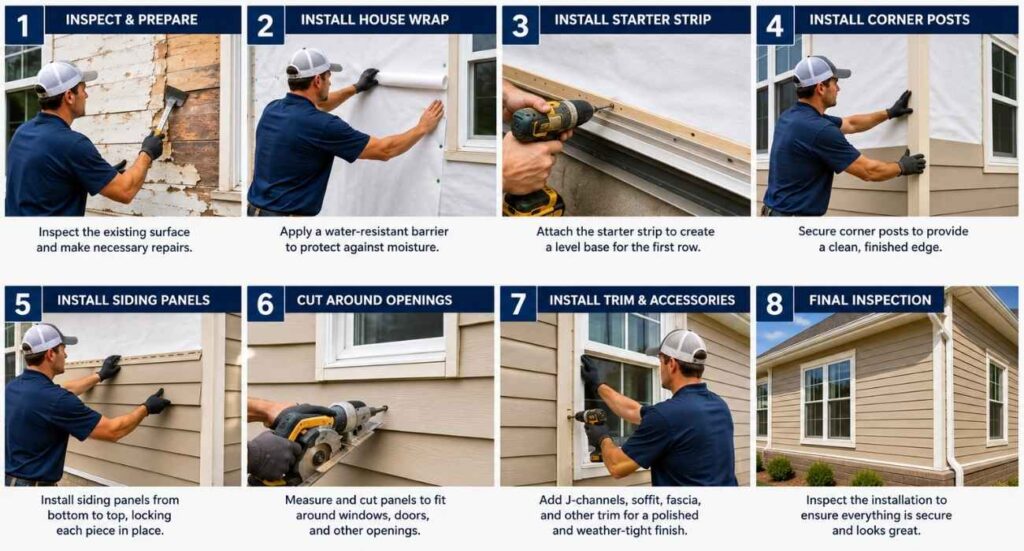
1. Initial Inspection and Planning
The project begins with an inspection of the existing siding, wall sheathing, and exterior structure. Contractors identify visible damage, discuss material options, and develop an installation plan based on the property’s condition and design requirements.
2. Removing Old Siding
If the existing siding is damaged, deteriorated, or outdated, it may be carefully removed to expose the wall structure. This gives the contractor an opportunity to identify hidden problems such as rot, mold, or moisture damage.
3. Preparing the Wall Surface
The wall surface is cleaned, repaired, and leveled to create a stable foundation for the new siding. Damaged sheathing is replaced when necessary, while gaps around windows, doors, vents, and other openings are properly addressed.
4. Installing a Weather-Resistant Barrier
A weather-resistant barrier and appropriate flashing are installed to help protect the building from moisture. These components help direct water away from vulnerable areas and support the overall performance of the siding system.
5. Installing the New Siding
The selected material is installed according to the manufacturer’s guidelines. Proper alignment, fastening, spacing, and detailing allow the siding to remain secure while accommodating normal expansion and contraction.
6. Installing Trim and Finishing Details
Trim, corner boards, soffits, fascia, and other finishing components are installed to complete the exterior. Proper detailing improves the appearance of the project while helping protect vulnerable areas from moisture.
7. Final Inspection and Cleanup
The contractor completes a final inspection to check alignment, fastening, joints, trim, and other installation details. The work area is then cleaned, and maintenance recommendations can be provided to help extend the life of the new siding.
How Long Does Siding Installation Take?
Most house siding installation projects can take several days to one or two weeks, depending on the property’s size, material selection, existing exterior condition, and project complexity.
Smaller properties with minimal preparation may require less time, while larger buildings or projects involving structural repairs can take longer. Weather can also affect the schedule, particularly when heavy rain, strong winds, or unsuitable temperatures make exterior work difficult.
Several factors influence the project timeline:
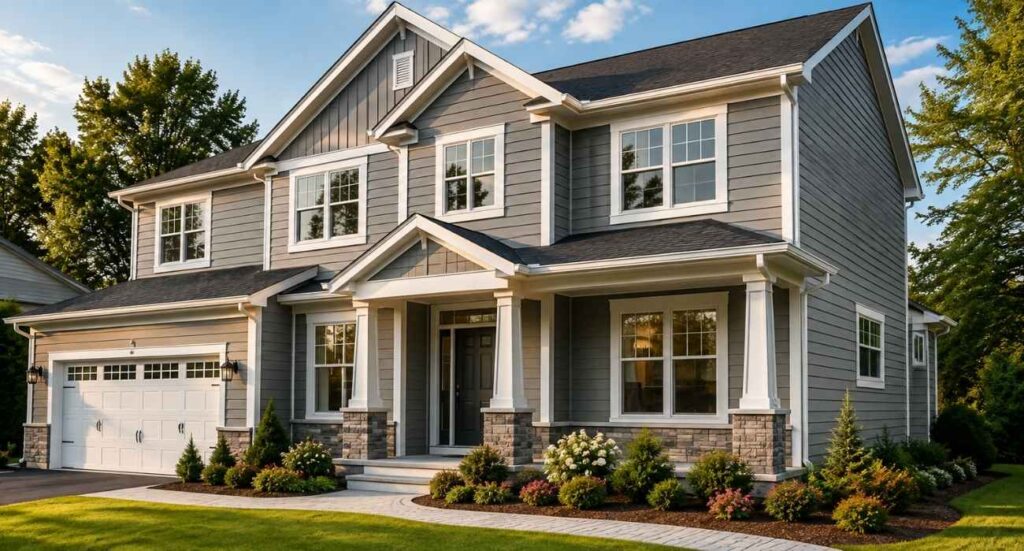
- Size and layout of the building
- Type of siding material selected
- Condition of the existing exterior
- Structural repairs required
- Weather conditions
- Crew size and project complexity
- Windows, doors, dormers, and other architectural features
Working with an experienced exterior siding contractor can help keep the project organized while maintaining proper installation standards.
How Much Does Siding Installation Cost?
The cost of siding installation varies significantly from one property to another. Material selection, building size, labor, exterior condition, and additional preparation all affect the final price.
The main cost factors include:
- Siding Material: Vinyl is generally more budget-friendly, while fiber cement, cedar, engineered wood, and other premium materials can involve higher material and installation costs.
- Property Size: Larger buildings require more siding, trim, fasteners, and labor, increasing the overall project cost.
- Existing Wall Condition: Damaged sheathing, wood rot, moisture problems, or other hidden issues may need to be repaired before installation.
- Architectural Design: Multiple stories, dormers, bay windows, corners, and other complex details can increase labor and material requirements.
- Labor and Location: Installation costs vary according to local labor rates, accessibility, project complexity, and contractor experience.
- Additional Upgrades: Insulation, house wrap, flashing, trim replacement, and other exterior improvements can increase the initial investment while improving long-term performance.
For an accurate siding installation cost, a professional inspection and detailed estimate are more useful than relying on a single standard price.
Siding Installation Cost in NYC
The cost of siding work in NYC can vary depending on the borough, building type, accessibility, material, and condition of the exterior. Urban properties may also have additional considerations involving multiple stories, limited work areas, scaffolding, access, and surrounding structures.
For this reason, property owners should evaluate the complete scope of work rather than comparing material prices alone.
When requesting an estimate for siding installation NYC, ask the contractor to clearly outline:
- Siding materials and quantity
- Labor costs
- Removal of existing siding
- Wall or sheathing repairs
- Weather-resistant barriers
- Flashing and trim
- Insulation upgrades
- Cleanup
- Project timeline
- Warranty coverage
A detailed estimate makes it easier to compare contractors and understand what is included in the project price.
Signs You Need New Siding Installation
Your siding may need repair or replacement if you notice any of the following warning signs:
- Cracks or Holes: Openings can allow moisture, pests, and air to enter the exterior.
- Warped or Buckled Panels: Distortion may indicate moisture problems or improper installation.
- Rotting or Soft Wood: Deteriorated material can signal prolonged water exposure.
- Peeling Paint or Interior Water Stains: These can indicate moisture getting behind the siding system.
- Mold or Mildew Growth: Persistent growth may point to trapped moisture.
- Rising Energy Bills: Poor insulation or air leakage can reduce energy efficiency.
- Loose or Missing Panels: Damaged sections leave the building more exposed to weather.
- Frequent Repairs: Repeated repair costs may eventually make full siding replacement a more practical option.
If you notice several of these problems, a professional inspection can help determine whether repair or replacement is appropriate.
How to Choose the Best Siding Material
Selecting the right siding involves more than choosing an attractive color. The material should suit your property’s architecture, weather exposure, maintenance preferences, and long-term budget.
Consider these factors:
- Durability: Choose materials that can withstand rain, snow, wind, temperature changes, and UV exposure.
- Maintenance: Consider whether the material requires regular painting, staining, cleaning, or other upkeep.
- Energy Efficiency: Insulated siding systems can contribute to better thermal performance.
- Appearance: Select colors, textures, and profiles that complement your property’s architectural style.
- Budget: Consider both the initial installation price and long-term maintenance requirements.
- Property Type: Residential and commercial properties may have different durability, design, and maintenance requirements.
An experienced siding contractor NYC can explain the advantages of different materials and help you select an option based on your property’s specific requirements.
DIY vs. Professional Siding Installation
While some homeowners enjoy completing renovation projects themselves, siding work requires specialized knowledge, proper tools, accurate measurements, and attention to moisture management. Installation mistakes can result in water intrusion, poor appearance, reduced performance, and future repair costs.
| Factor | DIY Siding Installation | Professional Siding Installation |
|---|---|---|
| Initial Cost | Lower upfront cost | Higher upfront investment |
| Installation Quality | Depends on experience | Professional workmanship |
| Project Timeline | Usually longer | Generally more efficient |
| Safety | Higher risk at heights | Professional safety practices |
| Warranty Protection | May affect some warranties | May include workmanship coverage |
| Long-Term Performance | Greater risk of installation errors | Proper installation methods |
Although DIY work may appear less expensive initially, problems with fastening, flashing, panel alignment, expansion gaps, or moisture protection can reduce the lifespan of the siding system.
Professional siding installation helps ensure that the work follows manufacturer requirements and appropriate installation practices, providing greater confidence in long-term performance.
How to Choose the Right Siding Contractor in NYC
Choosing the right siding contractor NYC is essential for protecting your investment and achieving a durable exterior. Before hiring a contractor, consider:
- Check Communication and Professionalism: Choose a contractor who answers questions clearly and keeps you informed throughout the project.
- Verify Licensing and Insurance: Confirm that the contractor meets applicable local requirements and carries appropriate coverage.
- Choose Experience: Look for experience with residential and commercial exterior projects similar to yours.
- Review Previous Projects: Ask to see examples of completed siding work and evaluate the quality of the workmanship.
- Read Customer Reviews: Reviews can provide insight into reliability, communication, workmanship, and customer satisfaction.
- Ask About Warranties: Understand what warranties are available for materials and workmanship.
- Request a Detailed Written Estimate: Make sure labor, materials, preparation, repairs, timeline, and other costs are clearly explained.
- Compare Multiple Quotes: Comparing qualified contractors can help you evaluate pricing, scope, and overall value.
For NYC properties, it’s also helpful to choose a contractor familiar with local building conditions and the challenges of working on urban residential and commercial exteriors.
Expert Tips for a Successful Siding Installation Project
A successful siding project involves more than choosing an attractive material. Careful preparation, proper installation, and regular maintenance can make a significant difference in long-term performance.
- Choose siding materials suited to your property’s weather exposure and architectural style.
- Prioritize durability and long-term value rather than focusing only on the lowest initial price.
- Compare maintenance requirements before selecting a material.
- Ask whether insulation improvements are appropriate for your property.
- Make sure flashing and weather-resistant barriers are properly addressed.
- Request written warranties covering applicable materials and workmanship.
- Schedule regular exterior inspections to identify minor issues before they become larger problems.
- Work with an experienced contractor rather than relying on unqualified labor for complex exterior work.
Properly installed siding can improve curb appeal while providing durable protection when maintained correctly.
Frequently Asked Questions
1. What is siding installation?
Siding installation is the process of attaching protective exterior cladding to a building’s outside walls. It helps protect the structure from weather, moisture, pests, and temperature changes while improving appearance and energy performance.
2. How long does siding installation usually take?
Most residential projects can take several days to one or two weeks. The actual timeline depends on the building size, siding material, weather, exterior condition, and whether repairs are required.
3. What is the best siding material for a home?
There is no single best material for every property. Vinyl, fiber cement, engineered wood, wood, metal, and composite siding each have different advantages. The right choice depends on your budget, maintenance preferences, property style, and performance requirements.
4. How much does siding installation cost?
The cost depends on the siding material, building size, labor, exterior condition, accessibility, and additional work such as insulation, flashing, or sheathing repairs. A professional inspection is the best way to obtain an accurate project estimate.
5. How much does siding installation cost in NYC?
NYC siding costs vary by borough, property size, material, accessibility, labor, and the condition of the existing exterior. A detailed local estimate should include materials, labor, removal, preparation, repairs, and finishing work.
6. Can new siding improve energy efficiency?
Yes. Properly installed siding combined with suitable insulation and weather-resistant barriers can help reduce heat transfer, improve indoor comfort, and reduce energy loss.
7. How do I know if my siding needs to be replaced?
Common warning signs include cracked or missing panels, warping, rot, mold, moisture damage, loose sections, and frequent repairs. A professional inspection can determine whether repair or replacement is the better option.
8. Is siding installation worth the investment?
For many property owners, new siding can improve exterior appearance, weather protection, durability, and maintenance requirements. It can also contribute to property value and curb appeal when properly selected and installed.
9. Can siding be installed during winter?
Siding work can sometimes be completed during colder months when weather conditions and the selected material allow it. Contractors may need to adjust installation methods based on temperature and material requirements.
10. Should old siding always be removed first?
Not necessarily. However, removing existing siding can allow contractors to inspect the wall structure, identify hidden moisture or rot, repair damaged areas, and install appropriate moisture protection before the new exterior is added.
11. How often should siding be inspected?
Inspect the exterior at least twice a year and after severe storms. Look for cracks, loose panels, moisture problems, mold, warping, and other signs of damage.
12. Why should I hire a professional siding contractor?
A professional contractor has the experience, tools, and knowledge needed to install siding correctly. Proper installation helps with moisture management, appearance, durability, and compliance with manufacturer requirements.
Conclusion
Siding installation is an important part of protecting and improving a property’s exterior. From choosing the right material to preparing the wall surface, installing moisture barriers, securing siding panels, and completing the finishing details, each stage affects the long-term performance of the exterior. The total project cost depends on factors such as material, property size, labor, accessibility, and any repairs required.
Whether you are considering vinyl, wood, fiber cement, engineered wood, metal, or composite siding, professional installation can help provide lasting protection and a clean, attractive finish. If you’re planning siding installation NYC, contact NuEra Contracting NYC for professional guidance on selecting the right siding solution and completing your exterior project with quality workmanship.
Have Questions? Call NuEra Contracting Today!
📞 347-444-9028
We’re here to help with expert construction, brickwork, roofing, and waterproofing services. Get reliable solutions, friendly support, and professional results for your next project.

