
If you’re wondering about the sump pump installation cost, most homeowners can expect to pay between $800 and $3,500 for a professionally installed system. The final price depends on several factors, including the type of sump pump, whether a new sump pit is required, labor costs, electrical work, and the condition of your basement drainage system.
Installing a sump pump is one of the most effective ways to protect a basement from flooding, groundwater intrusion, and costly water damage. Understanding the sump pump installation cost before starting the project helps homeowners budget wisely and choose the right waterproofing solution.
In this guide, you’ll learn the average installation costs, the factors that influence pricing, the different types of sump pumps, additional expenses to consider, and practical tips to help you get the best value from your investment.
Average Sump Pump Installation Cost
The sump pump installation cost varies depending on the type of system being installed and the complexity of the project. Replacing an existing pump is generally less expensive than installing a completely new system because the sump pit, discharge piping, and electrical connections may already be in place.
Homeowners should view installation as a long-term investment rather than simply comparing equipment prices. A professionally installed system can help prevent basement flooding, reduce moisture problems, and minimize expensive structural repairs caused by water intrusion.
Average Installation Costs
Comparing several contractor estimates is the best way to determine the sump pump installation cost for your specific basement and drainage conditions.
| Installation Type | Average Cost |
|---|---|
| Pedestal Sump Pump Installation | $800–$1,500 |
| Submersible Sump Pump Installation | $1,200–$2,500 |
| Battery Backup Sump Pump | $600–$1,500 (add-on) |
| Combination Sump Pump System | $2,000–$3,500 |
| New Sump Pit Installation | $1,500–$4,500 |
| Sump Pump Replacement | $500–$1,500 |
Note: These are general price ranges. Actual costs may vary based on your property’s layout, local labor rates, permit requirements, and the amount of work needed to install or upgrade the drainage system.
What Affects Sump Pump Installation Cost?
No two homes require exactly the same installation. Several factors influence the overall sump pump installation cost, and understanding them can help explain why estimates may differ from one property to another.
Type of Sump Pump
The type of pump you choose has one of the biggest impacts on cost.
Basic pedestal pumps are typically the most affordable option because the motor sits above the sump pit, making installation simpler. Submersible pumps require a deeper basin and more extensive installation but operate more quietly and generally provide better protection against heavy groundwater.
Homes located in flood-prone areas may also benefit from battery backup or combination systems, which increase the initial investment but provide protection during power outages.
New Installation vs. Replacement
Replacing an existing pump is usually less expensive than installing an entirely new system.
If your basement already has a properly sized sump pit, discharge line, and electrical connection, much of the infrastructure can often be reused. New installations, however, may require excavation, concrete cutting, plumbing modifications, and additional labor.
Existing Drainage System
Some homes already have interior drainage systems connected to a sump basin, while others require new drainage channels to direct groundwater toward the pump.
If additional drainage improvements are necessary, they will increase the overall installation cost but also improve the effectiveness of the waterproofing system.
Electrical Requirements
Every sump pump requires a reliable electrical supply.
Older homes sometimes need new dedicated circuits, upgraded outlets, or electrical modifications to meet current building codes. Battery backup systems may also require additional wiring and charging equipment.
Basement Accessibility
Installation is generally easier in unfinished basements with clear access to the work area.
Finished basements, limited workspace, or difficult access may require extra labor to protect flooring, remove finished materials, or complete the installation without damaging surrounding areas.
Labor Costs
Labor costs vary by location and project complexity.
Experienced waterproofing contractors often charge more than general handymen, but professional installation helps ensure the pump operates correctly when it’s needed most. Proper installation also reduces the likelihood of premature equipment failure and costly future repairs.
Types of Sump Pumps and Their Costs
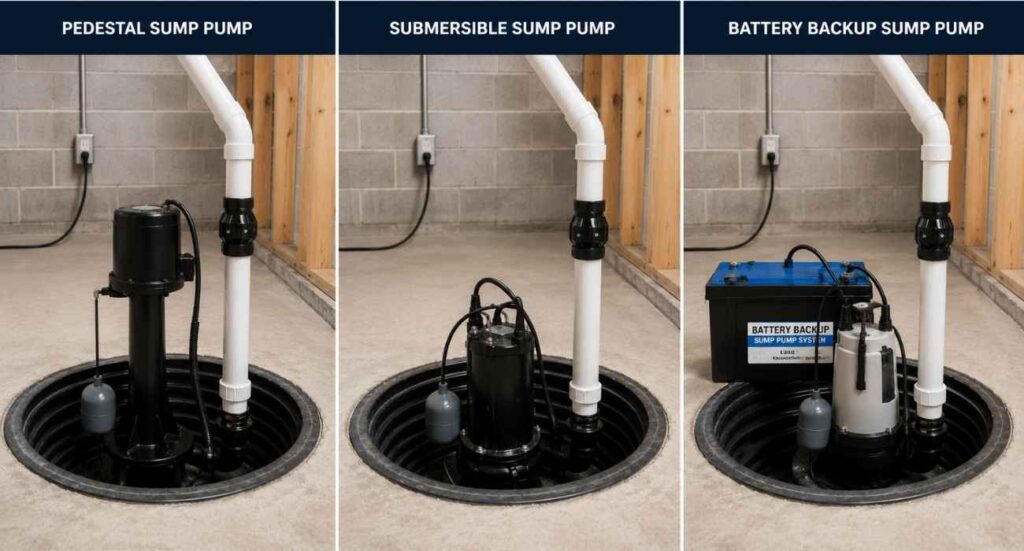
Not every home requires the same type of pump. Choosing the right system depends on your basement conditions, flood risk, budget, and long-term protection goals.
Pedestal Sump Pump
A pedestal sump pump has its motor positioned above the sump basin, making it easy to access for maintenance and repairs.
Advantages
- Lower purchase cost
- Easier maintenance
- Longer motor accessibility
- Suitable for smaller basements
Considerations
- Louder operation
- More visible equipment
- Lower pumping capacity than some submersible models
For homeowners with occasional moisture problems, pedestal pumps often provide a practical and budget-friendly solution.
Submersible Sump Pump
A submersible sump pump is installed inside the sump basin beneath a sealed cover. Because the motor operates below the water level, it runs more quietly and is better suited for homes experiencing frequent groundwater intrusion.
Although the initial sump pump installation cost is generally higher, many homeowners prefer this system because it offers stronger performance, quieter operation, and better protection during heavy rainfall.
Battery Backup Sump Pump
Power outages often occur during severe storms—the same time when homeowners rely most on their sump pump.
A battery backup system automatically activates if the primary pump loses electrical power or becomes overloaded. While it increases the initial investment, it provides valuable protection against unexpected basement flooding when the main system cannot operate.
Combination Sump Pump Systems
A combination system pairs a primary pump with a battery backup pump in the same basin.
This setup offers the highest level of protection because the backup pump activates automatically if the primary unit fails or electrical power is interrupted. Although combination systems have the highest upfront sump pump installation cost, they provide greater peace of mind for homes located in areas with heavy rainfall, high water tables, or recurring basement water problems.
Additional Costs Homeowners Should Consider
The pump itself is only one part of the overall project. Depending on your home’s condition, additional work may be required to ensure the system operates efficiently.
Potential additional costs include:
- Permit fees
- Concrete cutting or patching
- Sump pit excavation
- Check valve installation
- Discharge pipe extensions
- Drainage system upgrades
- Electrical modifications
- Battery replacement for backup systems
- Annual maintenance and inspections
Discussing these items during the initial inspection helps homeowners understand the complete project scope and avoid unexpected expenses after installation begins.
Is a Sump Pump Worth the Investment?
For many homeowners, the answer is yes.
While the sump pump installation cost represents an upfront investment, it is often far less expensive than repairing a flooded basement, replacing damaged flooring, removing mold, or restoring structural components affected by prolonged moisture exposure.
A properly installed sump pump helps protect your home’s foundation, reduces the risk of basement flooding, preserves finished living spaces, and supports a healthier indoor environment. For properties with recurring groundwater problems or a history of water intrusion, installing a reliable sump pump is one of the most effective long-term waterproofing solutions available.
Signs You Need a Sump Pump
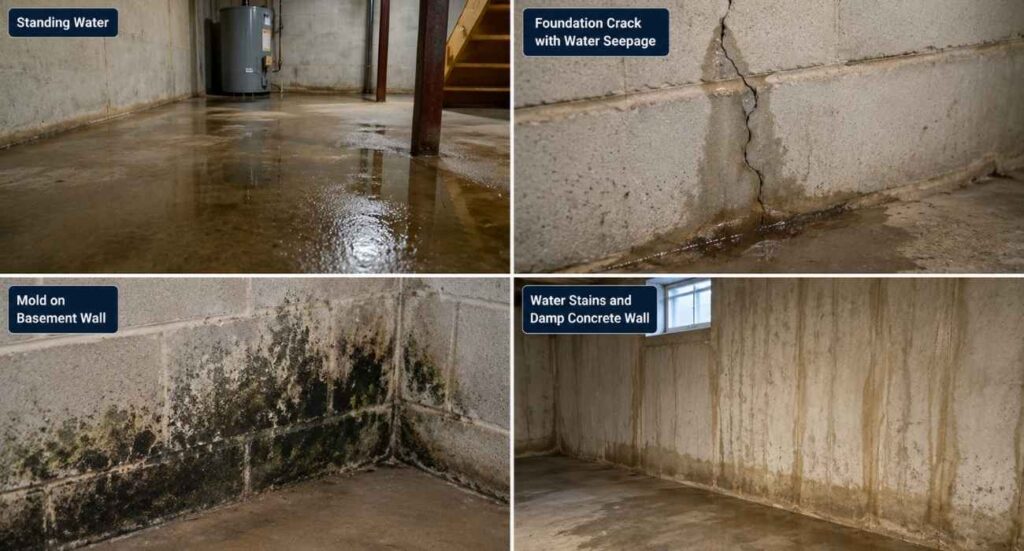
Not every basement requires a sump pump immediately, but certain warning signs indicate that installing one could prevent significant water damage. If your basement regularly experiences moisture problems, addressing them early is often less expensive than repairing flood damage later. Acting before major water intrusion occurs can also help reduce your overall sump pump installation cost by avoiding emergency waterproofing work and extensive structural repairs.
Standing Water After Heavy Rain
If water collects on the basement floor after storms, it usually indicates poor drainage or hydrostatic pressure beneath the foundation. A professionally installed sump pump helps collect and remove excess groundwater before it enters your living space. Addressing the problem early can also help keep your sump pump installation cost lower by preventing more extensive waterproofing work later.
Damp Basement Walls
Persistent dampness on foundation walls often means moisture is pushing through the concrete. While waterproof coatings may help in some situations, combining them with a sump pump and proper drainage provides more reliable long-term protection against water intrusion and foundation moisture.
Musty Odors or Mold Growth
A damp basement creates the perfect environment for mold and mildew. If you notice musty smells or visible mold, excessive moisture may already be affecting your indoor air quality. Installing a professionally designed sump pump system helps remove groundwater before it creates the conditions that encourage mold growth.
Foundation Water Seepage
Small amounts of water entering through wall-floor joints or foundation cracks often indicate increasing hydrostatic pressure around your home. Installing a sump pump helps relieve this pressure by directing water away before it reaches the basement. Addressing these issues early can also prevent the sump pump installation cost from increasing due to additional drainage or foundation repairs.
Frequent Basement Flooding
If your basement has flooded more than once, simply cleaning up the water won’t solve the underlying problem. A professionally designed drainage system combined with a sump pump provides a long-term solution that helps prevent future flooding, protects your foundation, and reduces the risk of repeated water damage.
How Professionals Install a Sump Pump
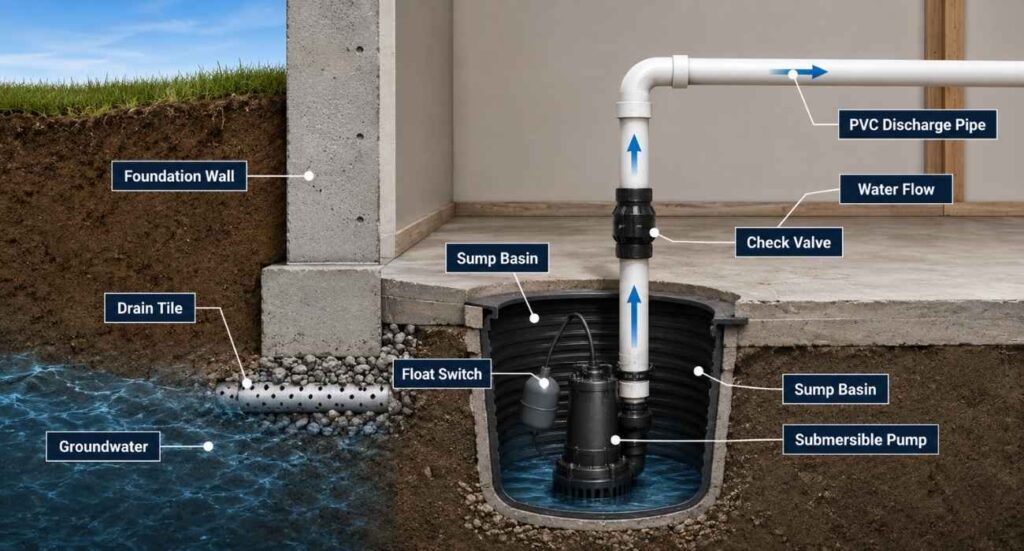
Professional sump pump installation involves much more than placing a pump inside a pit. Every component must work together to collect groundwater, discharge it safely away from the foundation, and operate reliably during heavy rainfall. Understanding the installation process also helps homeowners better understand the overall sump pump installation cost.
Step 1: Basement Inspection
The installation begins with a detailed inspection of the basement, foundation, drainage conditions, and existing waterproofing system. This helps determine the best location for the sump pit and identifies any drainage improvements that may be needed. The inspection also allows contractors to provide a more accurate sump pump installation cost based on your basement’s drainage conditions and installation requirements.
Step 2: Sump Pit Preparation
If no sump basin exists, the contractor cuts through the concrete floor and excavates a properly sized pit. A durable sump basin is then installed to collect groundwater from the surrounding drainage system and improve the efficiency of the entire waterproofing system.
Step 3: Pump Installation
The selected pump is positioned inside the basin and connected to the discharge piping. The installer also checks that the float switch moves freely so the pump activates automatically as water levels rise. Proper installation ensures reliable performance and helps maximize the lifespan of the equipment.
Step 4: Installing the Discharge Line
A discharge pipe carries collected water safely away from the home’s foundation. Proper routing is essential to prevent discharged water from flowing back toward the basement. Contractors also install a check valve to stop water from returning to the sump pit after the pump shuts off.
Step 5: Electrical Connection
The pump is connected to a dedicated electrical outlet. If a battery backup system is included, it is installed and tested to ensure continuous operation during power outages. Although electrical upgrades may slightly increase the sump pump installation cost, they greatly improve the system’s reliability during severe weather.
Step 6: System Testing
Before the project is complete, the entire system is tested by filling the basin with water to confirm that the pump activates correctly, discharges water efficiently, and shuts off properly after the basin empties. Final testing ensures the installation is operating safely and performing exactly as designed.
Tips to Reduce Sump Pump Installation Cost
While every property has different requirements, homeowners can take several practical steps to manage the overall sump pump installation cost without sacrificing quality or long-term protection.
Install Before an Emergency
Emergency installations after basement flooding often require additional labor and immediate scheduling, increasing overall costs. Planning ahead usually provides more flexibility, lower labor costs, and better pricing while helping keep your sump pump installation cost under control.
Maintain Existing Equipment
Routine maintenance can extend the life of your current sump pump and help avoid premature replacement. Regular inspections also identify minor issues before they become expensive repairs.
Choose the Right Pump
Installing an oversized or undersized pump may reduce efficiency and increase long-term expenses. Selecting equipment that matches your home’s drainage needs provides better value and helps avoid unnecessary increases in sump pump installation cost.
Consider a Battery Backup During Installation
Adding a battery backup during the initial installation is usually more cost-effective than upgrading the system later. Including it during the original project can also reduce your overall sump pump installation cost compared to scheduling a separate installation in the future.
Hire an Experienced Contractor
Professional installation reduces the risk of improper drainage, electrical issues, and premature equipment failure that can lead to expensive repairs. Choosing an experienced contractor also helps ensure you receive the best value for your sump pump installation cost.
Frequently Asked Questions
How much does sump pump installation cost?
The average sump pump installation cost ranges from $800 to $3,500, depending on the pump type, labor, drainage requirements, and whether a new sump pit is needed.
How long does sump pump installation take?
Most residential installations can be completed in one day. More complex projects involving excavation, drainage improvements, or electrical upgrades may require additional time.
Can I install a sump pump myself?
While DIY installation is possible for experienced homeowners, professional installation ensures proper drainage, electrical safety, and reliable long-term performance.
Does homeowners insurance cover sump pump installation?
Most homeowners insurance policies do not cover the sump pump installation cost itself. However, some insurers offer optional water backup coverage that may help pay for damage caused by sump pump failure.
How long does a sump pump last?
A quality sump pump typically lasts 7 to 10 years, although regular maintenance and annual inspections can help extend its service life.
Should I install a battery backup sump pump?
Yes. A battery backup provides additional protection during power outages, when the risk of basement flooding is often highest.
How often should a sump pump be inspected?
Experts recommend testing your sump pump several times each year and scheduling a professional inspection annually to ensure the system operates properly when needed.
Does every basement need a sump pump?
Not every basement requires one, but homes with recurring moisture issues, high water tables, or a history of flooding often benefit from professional sump pump installation.
Conclusion
Understanding the sump pump installation cost is an important first step toward protecting your home from basement flooding and water damage. Although the final price depends on pump type, drainage conditions, labor, and installation complexity, investing in a professionally installed system is often far less expensive than repairing a flooded basement or restoring foundation damage.
If your basement shows signs of water intrusion, standing water, or excessive moisture, don’t wait until the next heavy storm. NuEra Contracting provides trusted sump pump installation and basement waterproofing services throughout NYC. We’ll evaluate your property’s drainage needs, explain the sump pump installation cost, and deliver a dependable, long-term solution that protects your home and foundation for years to come.
Have Questions? Call NuEra Contracting Today!
📞 347-444-9028
We’re here to help with expert construction, brickwork, roofing, and waterproofing services. Get reliable solutions, friendly support, and professional results for your next project.

