
Window sills are one of those building components that often go unnoticed, yet they play a very important role in protecting a structure from water damage and long-term deterioration. Whether in residential homes, brownstones, brick buildings, apartment properties, or commercial spaces, a window sill acts as both a protective barrier and a finishing element that improves the overall appearance of a window.
A properly designed and installed sill helps direct rainwater away from the building, prevents moisture from entering walls, and supports the window frame. Although it may seem like a small detail, it can have a major impact on the durability, safety, and overall health of a structure.
For property owners in New York City, timely window sill repair, window sill replacement, and waterproofing around windows can help prevent serious issues such as water intrusion, rotted wood, cracked concrete, damaged masonry, and interior wall moisture.
What is a Window Sill?
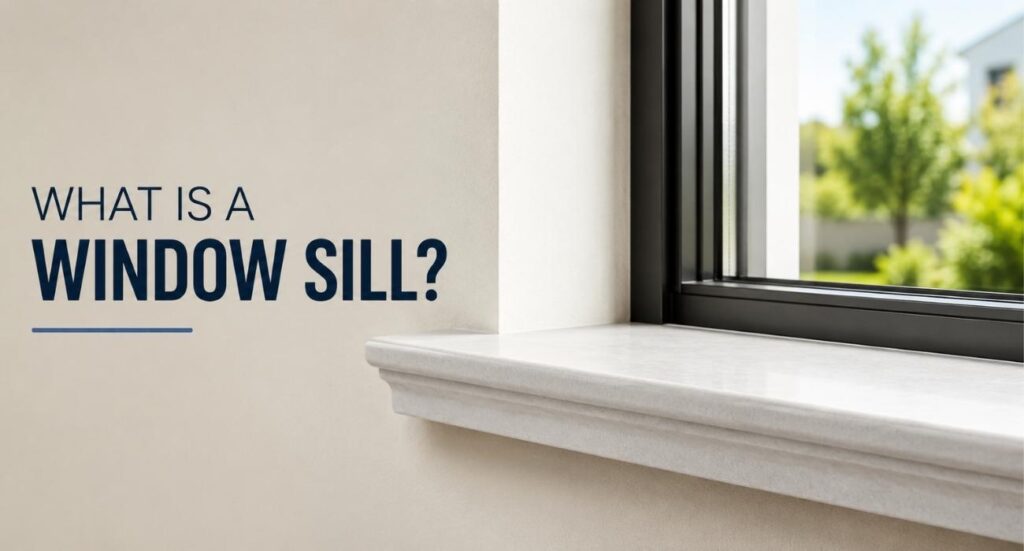
A window sill is the horizontal surface located at the bottom of a window frame. It can be found on both the interior and exterior sides of a window.
On the inside, a sill often serves a decorative purpose and may be used as a small ledge. On the outside, it plays a more functional role by helping protect the building from water infiltration.
The main purpose of an exterior window sill is to make sure rainwater does not collect around the window frame. Instead, the sill directs water away from the wall surface, reducing the risk of leaks, dampness, mold, and structural decay.
Why Window Sills Are Important in a Building
Window sills are essential for both structural protection and design balance. Without a properly installed sill, rainwater can easily seep into walls, leading to dampness, mold growth, peeling paint, damaged plaster, and long-term masonry problems.
A well-built sill helps with:
- Protecting walls from water penetration
- Supporting and strengthening the window frame
- Improving insulation around window openings
- Reducing the risk of water damaged window sill issues
- Enhancing interior and exterior appearance
- Preventing masonry repair problems near windows
In modern construction, window sills are not just functional elements. They are also part of the building’s architectural design and exterior finish.
How Much Does Window Sill Repair Cost in NYC?
The cost of window sill repair in NYC depends on the material, damage level, access requirements, and whether the issue is limited to the sill or has affected the surrounding wall, window frame, or masonry.
On average, property owners can expect the following price ranges:
| Type of Repair | Estimated Cost |
|---|---|
| Minor crack repairs | $100–$300 |
| Rotted window sill repair | $300–$800 |
| Partial window sill replacement | $500–$1,500 |
| Full window sill replacement | $1,000+ |
These prices are general estimates. Actual costs may vary depending on the sill material, height of the building, severity of water damage, labor requirements, waterproofing needs, and whether additional masonry repair near windows is required.
For the most accurate cost, a professional inspection is recommended before beginning repair or replacement work.
Window Sill Repair in NYC: Common Problems in Older Buildings
New York City has many older properties, including brownstones, brick buildings, pre-war apartments, mixed-use buildings, and commercial structures. In these buildings, exterior window sill repair is especially important because aging materials and harsh weather conditions can create water-related damage over time.
Common window sill problems in NYC buildings include:
- Cracked stone or concrete sills
- Water intrusion around window frames
- Deteriorated mortar near window openings
- Rotted wood in interior or older window components
- Freeze-thaw damage during cold months
- Loose or weakened masonry around windows
- Poor waterproofing around windows
- Deteriorated sealant or caulking
Freeze-thaw cycles are a major issue in New York. When water enters small cracks and freezes, it expands and can make the cracks wider. Over time, this can damage concrete window sills, stone sills, brickwork, and surrounding masonry.
For buildings subject to Local Law 11 / FISP requirements, damaged exterior window components may become part of a broader façade repair or maintenance concern. Property owners should address cracks, loose materials, water intrusion, and deteriorated masonry early to reduce safety risks and avoid larger repair costs.
For related services, see our Facade Repair, Brick Pointing, and Local Law 11 Inspection pages.
Types of Window Sills
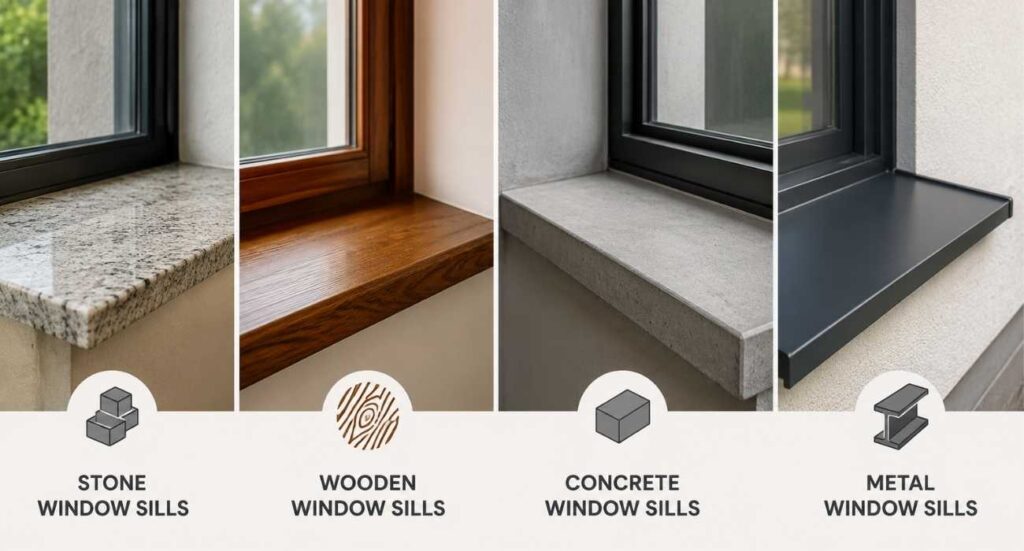
Different materials are used for window sills depending on durability, budget, location, and design requirements. Each material has its own benefits and maintenance needs.
| Material | Lifespan | Maintenance | Best Use |
| Stone | 50+ years | Low | Exterior |
| Concrete | 30–50 years | Low | Exterior |
| Wood | 10–20 years | High | Interior |
| Metal | 20–40 years | Medium | Commercial |
Stone Window Sills
Stone is one of the most durable and long-lasting materials used for exterior sills. Granite and marble are commonly used due to their strength and resistance to weather conditions. Stone sills require minimal maintenance and provide excellent protection against rain and moisture.
Wooden Window Sills
Wooden sills are mostly used in interior spaces. They offer a warm and natural appearance that complements home décor. However, wood is sensitive to moisture and requires regular sealing and maintenance to prevent rotting or warping.
Concrete Window Sills
Concrete sills are widely used in modern construction due to their strength and affordability. They can withstand harsh weather conditions, although they may develop cracks over time if not properly maintained.
Metal Window Sills
Metal sills are less common but are used in industrial or contemporary designs. They offer a sleek finish but require protective coating to prevent rusting and corrosion.
What Causes Window Sill Damage?
Window sill damage usually develops slowly. Many property owners only notice the problem after water stains, cracks, peeling paint, or mold appear around the window.
Common causes include:
Water Intrusion
Water intrusion is one of the biggest causes of window sill damage. When rainwater enters cracks, gaps, or poorly sealed joints, it can weaken the sill and surrounding wall.
Poor Drainage
A sill should be installed with a slight outward slope. If the sill is flat or sloped incorrectly, water can pool around the window and eventually seep into the structure.
Aging Sealant
Sealant and caulking break down over time. Once the seal around a window fails, moisture can enter gaps and cause water damage around the window frame.
Freeze-Thaw Cycles
In NYC, cold weather can make small cracks worse. Water enters the crack, freezes, expands, and causes further damage to concrete, stone, or masonry.
Improper Installation
A poorly installed sill may not drain water correctly. It may also leave gaps around the edges, allowing moisture to enter walls.
Lack of Maintenance
Small cracks, peeling paint, damaged caulking, and minor leaks can become major problems if ignored. Regular inspection and maintenance help prevent costly repairs.
How Window Sills Work
The working principle of a window sill is simple but highly effective. It is designed with a slight slope so that water naturally flows away from the window frame.
When rainwater hits the sill surface, gravity pulls it downward. The angled design directs water outward, away from the wall, preventing it from entering cracks or collecting near the window opening.
Many exterior sills also include a drip edge underneath. This small groove helps stop water from flowing back toward the wall surface.
When the slope, sealant, or drip edge fails, water can move toward the building instead of away from it. This is when problems such as leaks, masonry damage, mold, and window frame repair needs may begin.
Signs of Window Sill Damage
Property owners should regularly inspect window sills for early warning signs. Identifying problems early can help prevent expensive repairs later.
Common warning signs include:
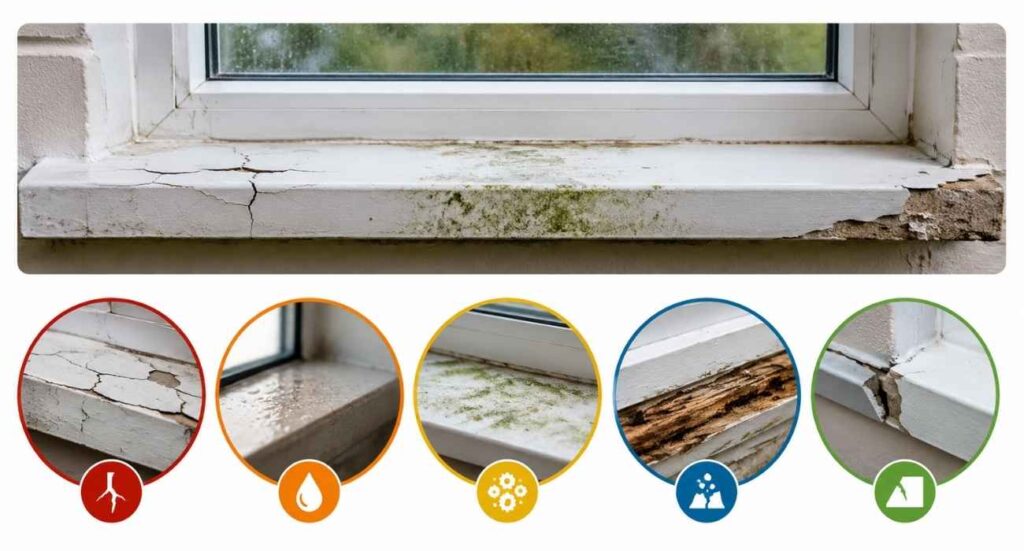
- Visible cracks or gaps
- Water stains below windows
- Soft or decayed wood surfaces
- Peeling paint
- Bubbling plaster
- Dampness around the window
- Mold growth
- Loose sill sections
- Crumbling concrete or masonry
- Drafts or gaps around the window frame
These signs often mean moisture has already started affecting the window area or surrounding structure.
Should You Repair or Replace a Damaged Sill?
Some window sill problems can be repaired, while others require full replacement. The right choice depends on the extent of damage, material condition, and whether water has affected the surrounding wall.
| Condition | Repair | Replace |
| Small cracks | ✓ | |
| Minor water damage | ✓ | |
| Damaged caulking or sealant | ✓ | |
| Surface paint damage | ✓ | |
| Rotting wood | ✓ | |
| Structural deterioration | ✓ | |
| Extensive water intrusion | ✓ | |
| Loose or severely damaged sill | ✓ |
Window Sill Repair and Maintenance
The most effective repair approach depends on the severity of the damage.
Minor Damage
Surface cracks, peeling paint, and minor wear can often be fixed with sealants, patching compounds, and a fresh protective coating.
Moderate Damage
Deeper cracks, localized rot, or weakened areas may require partial replacement, waterproofing, or reinforcement.
Severe Damage
If deterioration is extensive or moisture has penetrated surrounding walls, complete window sill replacement is often the safest and most cost-effective solution.
For moisture-related issues, professional Waterproofing Services and Masonry Services may also be required to protect the area around the window.
Tips to Extend Its Lifespan
Routine maintenance can help prevent costly repairs and improve long-term performance:
- Clean surfaces regularly to remove dirt, debris, and moisture buildup.
- Address cracks, gaps, and damaged caulking as soon as they appear.
- Apply waterproof coatings or protective sealants to reduce water penetration.
- Inspect for signs of rot, mold, or moisture damage during seasonal maintenance.
- Ensure proper drainage around the window frame to minimize water-related issues.
By following these maintenance practices, homeowners can preserve the durability, appearance, and structural integrity of the sill for many years.
Window Sill Installation Process
Proper installation is essential for long-term durability, weather resistance, and performance. A poorly fitted sill can allow water intrusion, leading to moisture damage, mold growth, and structural deterioration.
The installation process generally includes the following steps:
1. Measure the Opening
Precise measurements are taken to ensure the sill fits properly and supports the window opening.
2. Select the Right Material
The material should match the property’s design, climate conditions, maintenance needs, and exterior finish.
3. Prepare the Surface
The base is cleaned, leveled, and prepared to create a stable foundation.
4. Position the Sill
The sill is installed with a slight outward slope to help water drain away from the window and wall.
5. Seal All Edges
High-quality sealant is applied around the perimeter to help prevent leaks and moisture penetration.
6. Complete the Finish
Depending on the material, the sill may be painted, stained, sealed, or coated for long-term protection.
When installed correctly, the sill helps direct water away from the building, improves moisture protection, and supports the long-term performance of the window system.
When Should a Window Sill Be Replaced?
A window sill should be replaced when damage becomes too severe to repair. If cracks continue to grow, water leakage persists, wood has rotted, or the material has weakened, replacement is usually the safest option.
Delaying replacement can lead to serious problems such as:
- Interior wall damage
- Mold growth
- Damaged plaster or paint
- Weak window frames
- Masonry deterioration
- Higher repair costs
- Structural weakening near the window opening
If you are unsure whether you need repair or replacement, a professional inspection can help determine the best solution.
Need Professional Window Sill Repair in NYC?
If you notice cracks, water stains, rotting wood, loose masonry, or moisture around your windows, NuEra Contracting can help.
We provide professional window sill repair, exterior window sill repair, window sill replacement, waterproofing, and masonry repair services throughout NYC. Our team focuses on durable workmanship, proper sealing, clean finishing, and long-term protection for residential and commercial properties.
Why choose NuEra Contracting?
- Free inspection
- Licensed and insured
- Residential and commercial services
- Waterproofing experts
- Emergency repairs
- Masonry and façade repair support
- Quality finishing with timely delivery
- Local NYC contractor experience
If you notice cracks, water stains, rotting wood, or moisture around your windows, contact NuEra Contracting today for a free estimate. Our team provides expert repair and replacement services throughout NYC.
FAQs
What is a window sill used for?
A window sill helps protect walls from rainwater, supports the window frame, and improves the overall finish of a window opening.
How much does window sill repair cost in NYC?
Window sill repair in NYC can cost around $100–$300 for minor crack repairs, $300–$800 for rot repair, $500–$1,500 for partial replacement, and $1,000+ for full replacement. Final pricing depends on the material, damage severity, access, and whether surrounding masonry or waterproofing work is needed.
What are window sills made of?
Window sills are commonly made from stone, concrete, wood, metal, or composite materials depending on the design, location, and durability requirements.
Can a rotted window sill be repaired?
Small areas of rot may sometimes be repaired, but if the wood is soft, unstable, or deeply decayed, replacement is usually the better long-term solution.
Is water damage around a window dangerous?
Yes. Water damage around a window can lead to mold, damaged walls, weakened window frames, deteriorated masonry, and structural issues if left untreated.
How long does window sill replacement take?
Simple window sill replacement may take a few hours, while more complex exterior work, masonry repair, or waterproofing may take longer depending on access and damage severity.
Should I repair or replace a cracked sill?
Small surface cracks can often be repaired. However, wide cracks, repeated water leaks, loose materials, or structural deterioration may require replacement.
How long do window sills last?
Stone sills can last 50+ years, concrete sills may last 30–50 years, metal sills can last 20–40 years, and wooden sills usually last 10–20 years with proper maintenance.
Conclusion
Window sills may seem like a small architectural detail, but they play a critical role in protecting buildings from moisture, water intrusion, and structural damage. From directing rainwater away to supporting window frames and improving exterior appearance, their importance should not be ignored.
For NYC property owners, especially those with older brick buildings, brownstones, or commercial properties, timely window sill repair and replacement can prevent larger issues such as masonry damage, mold growth, and costly façade repairs.
If your property shows signs of water damage, cracks, or deteriorating window components, do not wait for the problem to worsen. Contact NuEra Contracting today for a free inspection and expert repair solutions throughout NYC.
Have Questions? Call NuEra Contracting Today!
📞 347-444-9028
We’re here to help with expert construction, brickwork, roofing, and waterproofing services. Get reliable solutions, friendly support, and professional results for your next project.

