
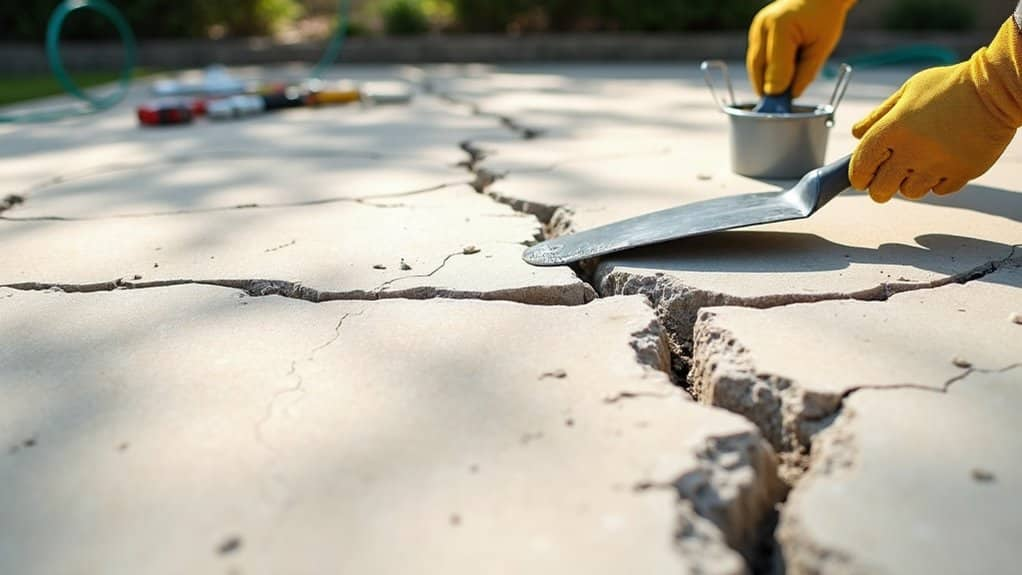
Introduction – Why Concrete Cracks and Why It Matters
Concrete is one of the most durable construction materials, but even the strongest surfaces can develop cracks over time. In a city like New York, where weather conditions fluctuate drastically and infrastructure endures heavy use, cracked concrete is a common issue for property owners.
Freeze-thaw cycles, heavy foot traffic, and moisture infiltration are among the leading causes of concrete damage in NYC. When water seeps into small cracks and freezes, it expands, causing the cracks to widen and worsen. Over time, what starts as a minor issue can turn into a serious structural concern.
Ignoring cracked concrete can lead to safety hazards, including trip-and-fall accidents, as well as costly repairs down the line. It can also reduce the overall aesthetic appeal and value of your property. That’s why timely repair is essential—not just for maintaining appearance but for ensuring safety and longevity.
Understanding Types of Concrete Cracks
Hairline Cracks
Hairline cracks are thin, surface-level cracks that often appear shortly after concrete sets. While they may seem harmless, they can allow moisture to seep in and should be sealed to prevent further damage.
Shrinkage Cracks
These cracks occur as concrete dries and shrink during the curing process. They are usually not structural but can expand if left untreated.
Settlement Cracks
Settlement cracks result from the ground beneath the concrete shifting or settling unevenly. These cracks can indicate underlying issues with the foundation or soil, often requiring expert evaluation from nyc masonry professionals.
Structural Cracks
Structural cracks are more serious and often wider than other types. They can compromise the integrity of the concrete and require professional attention.
Expansion Cracks
Expansion cracks occur due to temperature changes that cause the concrete to expand and contract. With proper planning by a contractors roof service, joint placement can help minimize these cracks and improve the overall durability of the structure.
Common Causes of Concrete Cracks in NYC
Freeze-Thaw Cycles
NYC’s cold winters and fluctuating temperatures make freeze-thaw cycles a major contributor to concrete cracking. Water entering small cracks freezes and expands, causing the concrete to break apart.
Moisture Infiltration
Excess moisture weakens concrete over time. Poor drainage systems can exacerbate this issue, leading to cracks and surface damage.
Poor Installation or Materials
Using low-quality materials or improper installation techniques can result in weak concrete that is prone to cracking.
Heavy Loads and Traffic
Sidewalks, driveways, and commercial spaces in NYC experience constant use. Heavy loads can stress the concrete and cause it to crack.
Soil Movement and Settlement
Shifting soil beneath the concrete can create uneven pressure, leading to cracks and structural instability.
Tools and Materials Needed for Concrete Repair
Basic Repair Tools
To repair cracked concrete, you’ll need essential tools such as a chisel, hammer, and wire brush. These tools help remove loose debris and prepare the surface. A caulking gun is also useful for applying fillers and sealants.
Repair Materials
Common repair materials include concrete patching compounds, epoxy fillers, and polyurethane sealants. Each material is suited for different types of cracks and levels of damage.
Safety Equipment
Safety should always be a priority. Gloves, goggles, and protective clothing help prevent injuries during the repair process.
When to Repair vs Replace Concrete
Not every concrete crack requires full replacement. In many cases, timely repair can fix a concrete crack and restore the surface before the damage spreads. However, some situations indicate deeper structural issues where replacement becomes the better long-term solution.
Minor cracks and surface damage can usually be repaired quickly and cost-effectively. But when a concrete crack becomes wider, deeper, or starts affecting stability, replacement may be necessary to avoid future risks.
When Concrete Repair Is Enough
• Small or hairline concrete crack
• Surface-level damage without structural impact
• Isolated cracks that are not spreading
• Minor moisture-related issues
These problems can often be resolved with proper concrete crack repair and sealing.
When Concrete Replacement Is Needed
• Large concrete crack wider than 1/4 inch
• Multiple cracks forming across the surface
• Uneven, sinking, or shifting concrete
• Recurring concrete crack repair issues
• Structural or foundation-related damage
In these situations, replacing the damaged section ensures long-term durability and safety.
Choosing between repair and replacement depends on the severity of each concrete crack and its underlying cause. Consulting experienced professionals helps ensure the right decision is made, saving time, cost, and preventing further damage.
How Serious Is a Concrete Crack?
Not all cracks are the same. Some are minor surface issues, while others can indicate serious structural problems. Understanding the difference helps you decide when simple repair is enough and when professional help is needed.
Small hairline cracks are usually not dangerous, but they should still be sealed to prevent moisture from entering. On the other hand, wider or growing cracks can weaken the structure and lead to costly damage if ignored.
Signs a Concrete Crack Is Serious
• Crack is wider than 1/4 inch
• Crack continues to grow over time
• Uneven or shifting concrete surfaces
• Water leakage through the crack
• Multiple cracks forming in the same area
If you notice any of these signs, it’s important to act quickly. Delaying repairs can turn a minor issue into a major structural problem, increasing the need for extensive concrete crack repair.
Step-by-Step Guide to Repair Cracked Concrete
Step 1 – Inspect and Assess the Crack
Begin by examining the crack to determine its size, depth, and cause. This will help you choose the appropriate repair method and materials.
Step 2 – Clean the Damaged Area
Remove dirt, debris, and loose concrete using a wire brush or pressure washer. A clean surface ensures better adhesion of the repair material.
Step 3 – Widen the Crack (if necessary)
For better results, slightly widen the crack using a chisel. This creates a more stable surface for the filler to bond with.
Step 4 – Apply the Repair Material
Fill the crack with the chosen material, such as epoxy or patching compound. Use a caulking gun or trowel to apply the material evenly.
Step 5 – Smooth and Level the Surface
After filling the crack, smooth the surface with a trowel to ensure it is level with the surrounding area.
Step 6 – Allow Proper Curing Time
Follow the manufacturer’s instructions for curing time. Proper curing is essential for a durable repair.
Step 7 – Seal the Repaired Area
Apply a sealant to protect the repaired area from moisture and future damage.
When to Call a Professional in NYC
Large or Structural Cracks
If the crack is wide or affects the structural integrity of the concrete, it’s best to consult a professional.
Recurring Damage
Repeated cracking may indicate underlying issues that require expert evaluation.
Foundation Issues
Cracks related to foundation problems should always be handled by professionals.
Commercial or High-Traffic Areas
In high-traffic areas, professional repairs ensure durability and compliance with safety standards.
Cost of Concrete Crack Repair in NYC
Factors Affecting Cost
The cost of repair depends on factors such as the size and severity of the crack, the type of materials used, and labor costs in NYC.
Average Price Range
Simple repairs may cost a few hundred dollars, while extensive repairs can run into thousands. Prices vary based on the complexity of the project.
DIY vs. Professional Costs
DIY repairs are generally cheaper but may not provide long-lasting results. Professional services, such as NuEra Contracting NY, while more expensive, offer expertise and durability.
How Waterproofing Helps Prevent Concrete Crack Issues
Waterproofing plays a key role in preventing concrete crack problems, especially in NYC where moisture and weather changes are constant. Many cracks develop due to water penetration that weakens concrete over time.
When water enters small gaps, it expands and gradually turns minor damage into larger cracks. In winter, freeze-thaw cycles make this worse, increasing the need for frequent concrete crack repair.
Proper waterproofing stops this process at the source. It creates a barrier that prevents moisture from entering the concrete, helping maintain strength and durability.
Key Benefits of Waterproofing for Concrete Cracks
• Reduces moisture penetration into concrete
• Prevents small cracks from expanding
• Protects against freeze-thaw damage
• Increases lifespan of concrete surfaces
• Reduces need for repeated concrete crack repair
Combining waterproofing with timely repairs is the most effective approach. It ensures small issues are handled early and prevents major structural damage in the future.
If you’re dealing with moisture-related damage, explore our concrete waterproofing experts services for long-term solutions.
Tips to Prevent Future Concrete Cracks
Proper Drainage Systems
Ensuring proper drainage prevents water from accumulating and damaging the concrete.
Regular Maintenance and Sealing
Routine inspections and sealing help protect the surface from moisture and wear.
Using Quality Materials
High-quality materials and proper installation techniques reduce the risk of cracking.
Controlling Moisture Levels
Managing moisture around the concrete helps maintain its strength and stability.
Timely Repairs
Addressing small cracks early prevents them from becoming larger problems.
Common Mistakes to Avoid
Ignoring Small Cracks
Small cracks can quickly worsen if left untreated. Early intervention is key.
Using the Wrong Repair Materials
Choosing the wrong material can lead to ineffective repairs and further damage.
Skipping Surface Preparation
Proper cleaning and preparation are essential for successful repairs.
Improper Curing
Rushing the curing process can weaken the repair and reduce its lifespan.
Delaying Professional Help
Waiting too long to seek professional assistance can increase repair costs and risks.
NYC Regulations and Compliance Considerations
Sidewalk Repair Laws
In NYC, property owners are responsible for maintaining sidewalks adjacent to their properties. Failure to repair damaged concrete can result in fines.
Property Owner Responsibilities
Owners must ensure that their property is safe and free from hazards, including cracked concrete surfaces.
Permits and Inspections
Certain repairs may require permits and inspections. It’s important to check local regulations before starting work.
Safety Standards
Repairs must meet safety standards to prevent accidents and ensure compliance with city regulations.
Benefits of Timely Concrete Repair
Improved Safety
Repairing cracks reduces the risk of accidents and injuries.
Enhanced Appearance
A smooth, crack-free surface improves the overall look of your property.
Increased Property Value
Well-maintained concrete surfaces contribute to higher property value.
Long-Term Cost Savings
Addressing issues early prevents costly repairs in the future.
Conclusion – Restore and Protect Your Concrete Surfaces
Cracked concrete is a common issue in NYC, but it doesn’t have to be a permanent problem. With the right tools, materials, and techniques, you can effectively repair cracks and restore your concrete surfaces to their original condition.
Taking a proactive approach to maintenance and repairs not only enhances safety and appearance but also extends the lifespan of your concrete. Whether you choose to tackle minor repairs yourself or hire a professional for more complex issues, timely action is key.
Call Action: Don’t let cracked concrete compromise your property. Contact us today or request a concrete repair estimate to restore and protect your surfaces with expert solutions.
FAQs
What is the best way to repair cracked concrete?
The best method depends on the type of crack. Small cracks can be filled with sealants or patching compounds, while larger cracks may require professional repair.
Can I fix concrete cracks myself?
Yes, minor cracks can be repaired using DIY methods. However, structural cracks should be handled by professionals.
How long does concrete repair last?
Properly repaired concrete can last for many years, especially with regular maintenance and sealing.
How much does it cost to repair concrete in NYC?
Costs vary based on the extent of damage and repair method, ranging from a few hundred to several thousand dollars.
When should I call a professional for concrete repair?
You should call a professional if the crack is large, structural, recurring, or related to foundation issues.
Have Questions? Call NuEra Contracting Today!
📞 347-444-9028
We’re here to help with expert construction, brickwork, roofing, and waterproofing services. Get reliable solutions, friendly support, and professional results for your next project.

